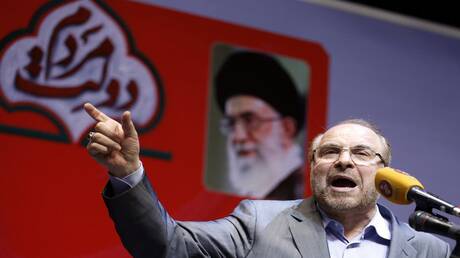
Mohammad Baqer Qalibaf, the Speaker of the Iranian Parliament, has called on the international community to review the reports issued by the United Nations regarding the crimes committed by Israel in Palestinian territories. Qalibaf emphasized that these reports represent important documents that expose human rights violations and war crimes faced by the Palestinian people, urging UN member states to take responsibility regarding these violations.
Qalibaf pointed out that the UN reports contain documented information about the damages inflicted on Palestinian civilians, including casualties and injuries, as well as the destruction of homes and infrastructure. He called for effective international measures to hold those responsible for these crimes accountable, stressing that international silence would only exacerbate the humanitarian situation.
Details of the Event
Qalibaf's call comes at a time when international pressure on Israel is increasing due to escalating violence in Palestinian territories. The United Nations has issued several reports in recent months addressing the deteriorating humanitarian situation in Gaza and the West Bank, where many areas are subjected to bombing and destruction. These reports are seen as cries for help from the international community to halt Israeli violations.
Qalibaf also noted that these reports are not merely administrative documents but are a manifestation of the humanitarian suffering endured by Palestinians daily. He urged all countries to take a clear stance against these violations and work to support Palestinian rights in international forums.
Background & Context
Historically, the relationship between Iran and Israel has been marked by significant tension, with Iran being one of the foremost supporters of the Palestinian cause. Tehran has taken strong positions against Israeli policies, especially amid the military escalation witnessed in the region. The UN reports on Israeli war crimes are part of international efforts to pressure Israel to cease its violations.
In recent years, calls within the international community for holding Israel accountable for its actions have intensified, particularly following repeated wars on Gaza. These events have sparked strong reactions from human rights organizations and countries that support human rights, bringing the Palestinian issue further into the spotlight.
Impact & Consequences
Qalibaf's call for reviewing UN reports may contribute to increasing international awareness regarding the situation in Palestine, potentially prompting some countries to adopt a more stringent stance towards Israel. Additionally, these calls could enhance Arab and Islamic solidarity with the Palestinian cause, which may reflect on the foreign policies of the concerned countries.
Internally, these calls may strengthen the Iranian government's position domestically, as it seeks to affirm its role as a defender of Palestinian rights. Such positions may also encourage increased public support for the Palestinian cause within Iran.
Regional Significance
The Palestinian issue is considered one of the central issues in the Arab world, directly affecting relations between Arab countries and Israel. Qalibaf's call may help strengthen alliances among countries that support the Palestinian cause and could lead to increased pressure on Arab regimes to adopt firmer positions against Israel.
Furthermore, these calls may open the door for more discussions on how to support Palestinians in international forums, contributing to the development of new strategies to face the challenges they encounter.
In conclusion, the Palestinian issue remains a focal point of global concern, and Qalibaf's call represents a step towards enhancing international awareness of the crimes committed against Palestinians. The international commitment to hold Israel accountable for its actions could have a significant impact on the future of the region.