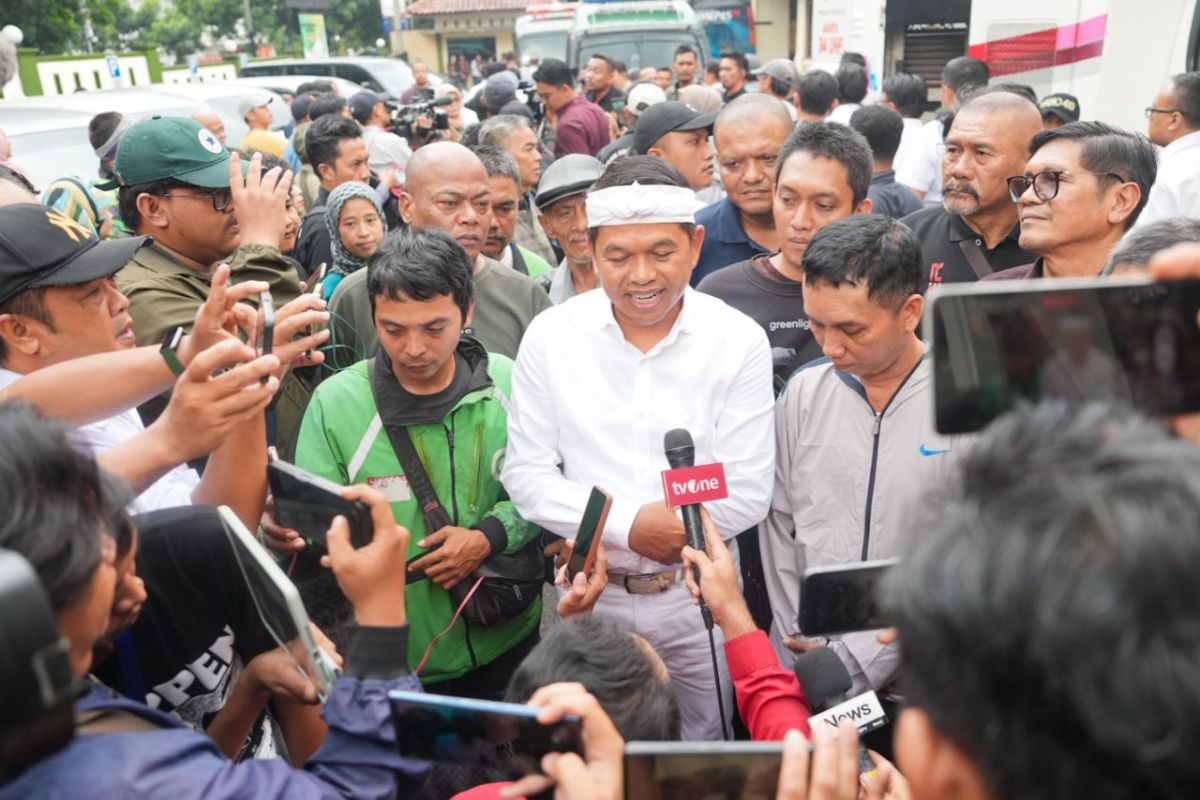
A video circulating on social media featuring Didi Molyadi and his proposal to recover assets from corrupt individuals has sparked significant debate among internet users in Indonesia. However, it has been revealed that the claims surrounding this proposal are inaccurate. The video, posted on Facebook, included text calling for the recovery of all assets from corrupt individuals, which generated substantial interaction among netizens.
The video posed the question: "Do you agree with the complete recovery of corrupt assets?" This prompted many users to engage with the proposal. However, after verifying the information, it became clear that there was no official statement from Molyadi confirming this proposal.
Event Details
Following the video's spread, several entities sought to verify the accuracy of the circulating information. The findings showed a lack of any credible source or official statement from Didi Molyadi supporting this proposal. Additionally, analyses indicated that the voice used in the video was a product of artificial intelligence technology, further raising doubts about the content's credibility.
This type of misinformation can negatively impact the reputation of public figures and contribute to the spread of misleading information. In Molyadi's case, it appears that the video was part of a smear campaign aimed at undermining trust in his political persona.
Background & Context
Corruption issues are among the most significant challenges facing governments worldwide, including Indonesia. Over the years, the country has witnessed numerous corruption scandals, leading to a loss of trust in governmental institutions. In this context, the recovery of corrupt assets is a sensitive topic that captures public interest.
In recent years, the Indonesian government has taken serious steps to combat corruption, including establishing independent bodies to investigate corruption cases. However, much work remains to be done to restore trust in the system.
Impact & Consequences
Misinformation like that related to the video can exacerbate political situations in the country. Instead of focusing on real issues, the public becomes preoccupied with discussing false news, which may affect the political decision-making process. Furthermore, this information can lead to increased polarization between supporters and opponents of political figures.
Moreover, the spread of false news can hinder anti-corruption efforts, as the public may lose trust in the initiatives if they feel the information they receive is inaccurate.
Regional Significance
Corruption and its combat are common issues among Arab and Indonesian countries. Many Arab nations face similar problems related to corruption and mismanagement. Therefore, sharing experiences and practices in this field can positively impact anti-corruption efforts in the region.
In conclusion, the public must be aware of the information they receive and verify its accuracy before sharing it. Ensuring the correctness of information is a fundamental step in combating false news and promoting transparency in society.