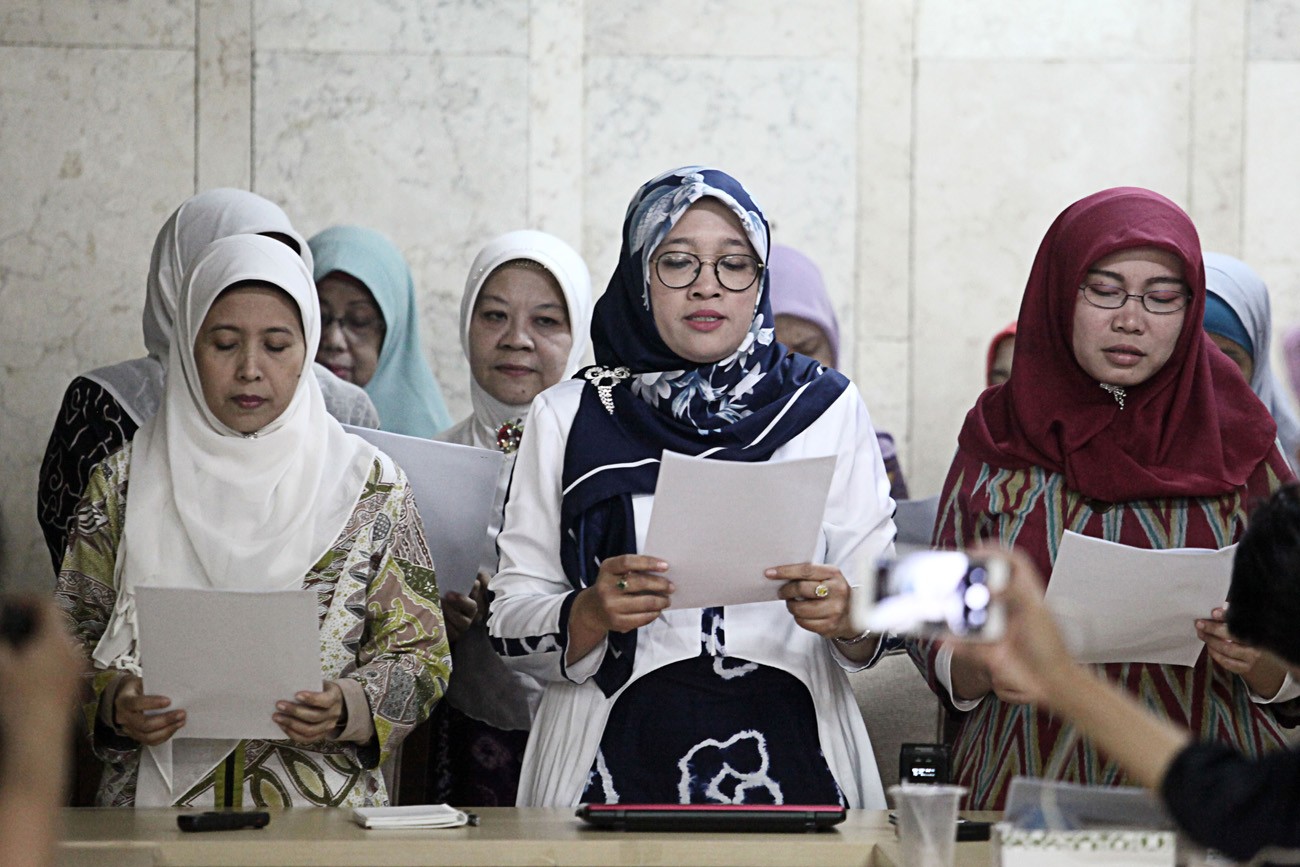
In light of the escalating crises around the world, especially in the Middle East, Abdul Muti, the Secretary-General of the Muhammadiyah Association, called for the necessity of strengthening national unity and cohesion. This came during a celebration held in the Indonesian city of Makassar, where he warned of the impact of international conflicts on the unity of the nation.
Abdul Muti pointed out that conflicts among major powers such as the United States, Israel, and Iran should not affect the cohesion of the Indonesian people. He noted that these disputes could lead to divisions within society, which necessitates collective efforts to enhance social and political bonds.
Event Details
In his speech before a crowd of Muhammadiyah members in Makassar, Abdul Muti stated, "We must be part of the solution, not part of the problem." He stressed the importance of collective action to achieve peace and stability, emphasizing that unity is fundamental in facing challenges.
He also urged attendees to reflect on the teachings of Islam that advocate for unity and brotherhood, pointing out that the Quran encourages not to dominate others. He affirmed that these teachings should guide everyone in strengthening the ties among various segments of society.
Background & Context
Abdul Muti's remarks come at a time when the Middle East is experiencing increasing tensions, with conflicts escalating among several nations, affecting regional stability. These crises raise concerns in many countries, including Indonesia, which is considered one of the largest Muslim-majority nations in the world.
Historically, Indonesia has always sought to maintain the unity of its people, especially given its cultural and religious diversity. The Muhammadiyah Association, founded in the early 20th century, has played a significant role in promoting Islamic and community values, contributing to social cohesion.
Impact & Consequences
Abdul Muti's call for strengthening unity comes at a critical time, as internal divisions could exacerbate crises. National unity is not only essential for addressing external challenges but is also fundamental for achieving sustainable development and prosperity.
Moreover, enhancing social and political ties can contribute to building a more cohesive society, helping to overcome economic and social crises. Efforts to promote unity can have positive effects on internal stability, thereby enhancing the country's ability to face future challenges.
Regional Significance
Abdul Muti's call for national unity holds special significance in the Arab context, where many Arab countries suffer from internal divisions and conflicts. Strengthening unity and cohesion can serve as a model in the region, as political and social crises require a collective response.
Additionally, enhancing ties among different groups within society can contribute to building more stable communities, aiding in the achievement of peace and development. Positive experiences from Indonesia can inspire Arab countries in their pursuit of unity and cohesion.
In conclusion, Abdul Muti's call for strengthening national unity remains a pressing appeal in light of increasing global challenges. Working to enhance social and political ties is the only way to confront crises and build a better future.