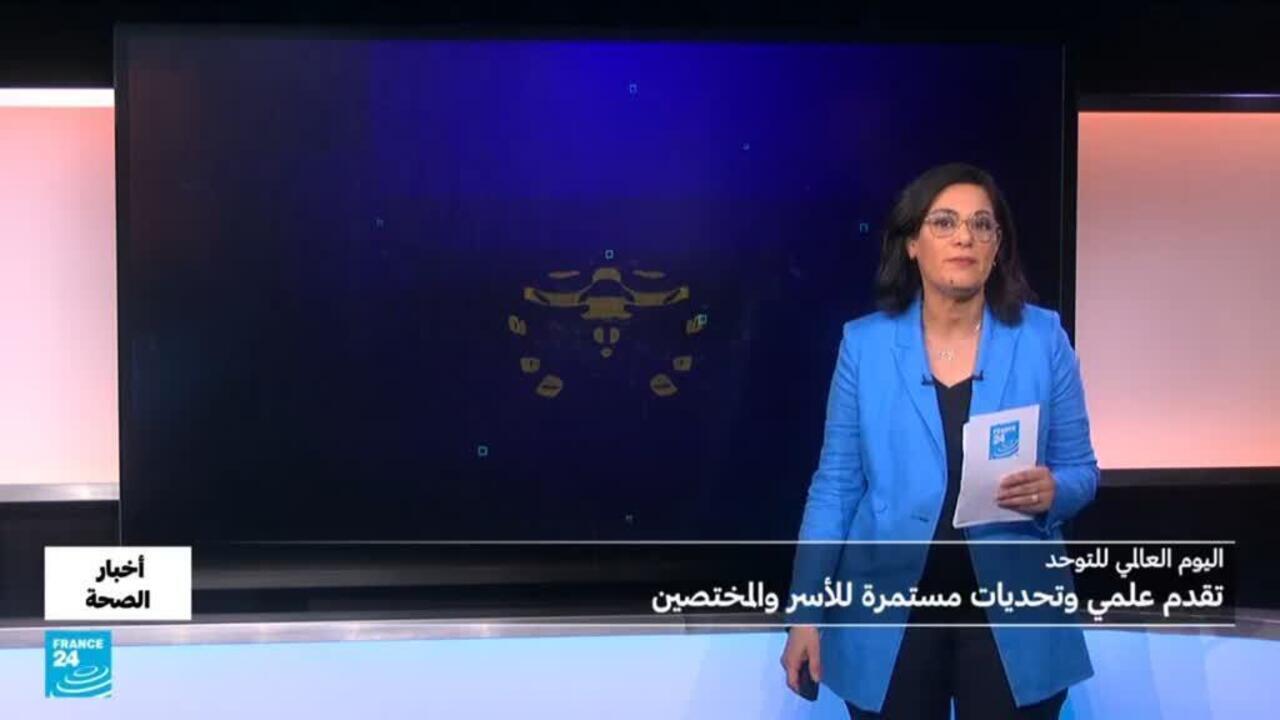
Today, the world celebrates World Autism Day, where this disorder remains shrouded in much mystery. Despite scientific advancements in recent years, many families and specialists face significant challenges in dealing with autism. In this context, Dr. Dalal Al-Shayji, an autism specialist, sheds light on these challenges and the progress made in understanding this disorder.
Autism is considered a neurodevelopmental disorder that affects communication and behavior. Estimates suggest that one in every 160 children suffers from this disorder, making it an important public health issue. However, the exact causes of this disorder remain unknown, complicating diagnosis and treatment.
Event Details
On this day, numerous events are organized worldwide to raise awareness about autism. These events aim to highlight the importance of early understanding and intervention, as this can make a significant difference in the lives of affected children. There is also a focus on the necessity of providing support to families and specialists in this field.
Dr. Al-Shayji emphasizes that the challenges faced by families include a lack of sufficient information on how to deal with children with autism, in addition to a shortage of available resources. Specialists also face difficulties in accurately diagnosing the condition, leading to delays in receiving appropriate treatment.
Background & Context
The recognition of autism dates back to the 1950s, but it was not identified as a distinct disorder until 1980. Since then, research in this field has made significant progress, with the development of new diagnostic criteria and innovative treatment methods. However, there remains an urgent need for a better understanding of this disorder, as current research continues to reveal new aspects related to its causes and effects.
Genetic and environmental factors are among the potential causes of autism, but there is no scientific consensus on the exact reasons. This ambiguity makes it difficult for families and specialists to provide adequate support to affected children.
Impact & Consequences
The challenges of autism affect many aspects of life, including education and healthcare. Children with autism often face difficulties in social interaction and communication, which impacts their ability to learn and adapt to their environment. This situation requires families and specialists to develop effective strategies to address these challenges.
Furthermore, the lack of awareness and knowledge about autism can lead to social stigma, increasing the isolation felt by affected children and their families. Therefore, raising awareness and education about this disorder is considered a fundamental step towards improving the lives of these children.
Regional Significance
In the Arab region, autism remains a sensitive topic, with many families facing difficulties in obtaining the necessary support and care. Levels of awareness and knowledge about this disorder vary from country to country, affecting the ability to provide appropriate support to affected children.
Many non-governmental organizations and governments in the region are striving to raise awareness and provide the necessary resources to support families and specialists. However, there is still much work to be done to ensure that children with autism receive the support and care they need.
In conclusion, World Autism Day represents an opportunity to highlight the challenges faced by families and specialists in this field. By increasing awareness and providing the necessary resources, we can make a real difference in the lives of children with autism and their families.