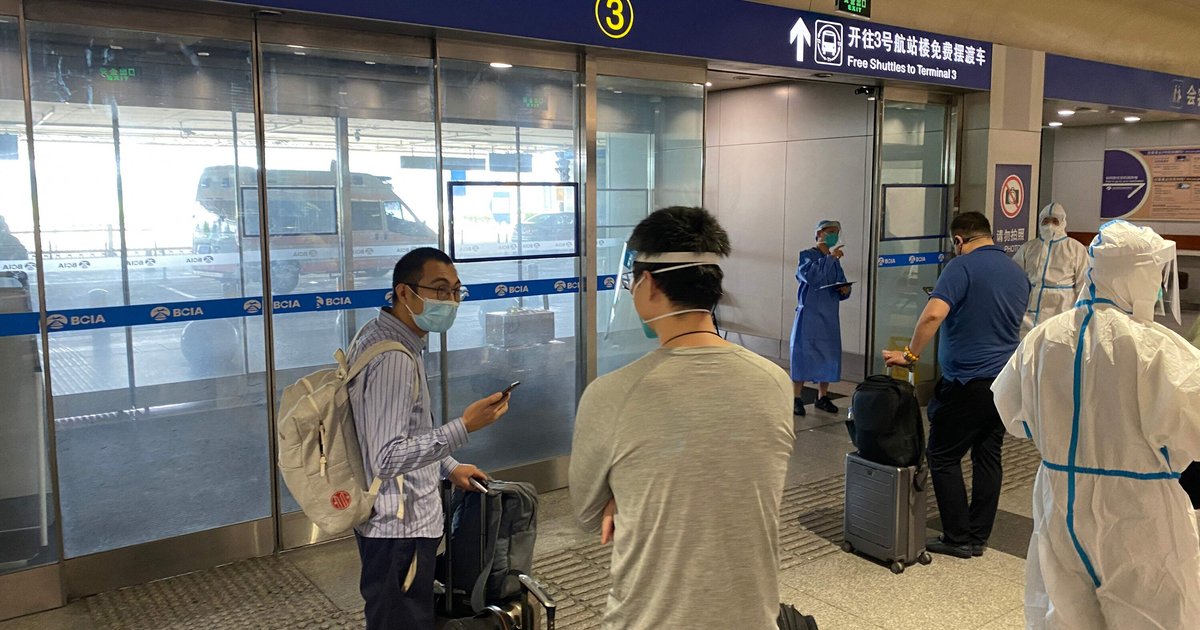
The Chinese government has implemented strict quarantine measures on itself, becoming the first government in the world to take such a step due to the COVID-19 outbreak. This decision is part of efforts to combat the virus's spread, which has raised global concerns.
China, which was the epicenter of the virus, is striving to contain a new wave of infections that has recently emerged. The announcement of this decision comes at a sensitive time, as fears grow regarding the virus's impact on the global economy and public health.
Details of the Measures
The measures imposed on the Chinese government include strict restrictions on movement within the country, as well as the closure of certain public facilities. A comprehensive health monitoring system has also been implemented, where citizens are periodically tested to ensure they are not infected with the virus.
Reports indicate that these measures may also include restrictions on international travel, which could affect trade and tourism. These steps were taken after a significant rise in new cases was reported over the past few weeks.
Background & Context
The novel coronavirus, which first emerged in Wuhan, China at the end of 2019, has caused a global pandemic that has led to millions of deaths and numerous infections. Governments around the world have taken strict measures to limit the virus's spread, but this is the first time a complete quarantine has been imposed on a government.
Historically, China has been among the countries that effectively controlled the virus during previous waves, but the current situation reflects new challenges faced by the government amid the emergence of new virus strains.
Impact & Consequences
These measures could lead to significant economic repercussions, as the Chinese economy heavily relies on trade and tourism. The restrictions on the movement of people and goods are expected to impact economic growth, which may negatively affect global markets.
Furthermore, this step could increase political tensions between China and other countries, especially if the restrictions persist for an extended period. There are also concerns that these measures could exacerbate social issues within China.
Regional Significance
China is an important trading partner for many Arab countries, and these measures could affect economic relations between the two sides. It is expected that oil exports and other goods from Arab countries to China will be impacted, potentially leading to market fluctuations.
Additionally, the health situation in China may reflect on Arab countries in terms of tourism, as many Arab nations rely on Chinese tourists. The imposed restrictions could lead to a decrease in visitor numbers, adversely affecting the tourism sector in the region.