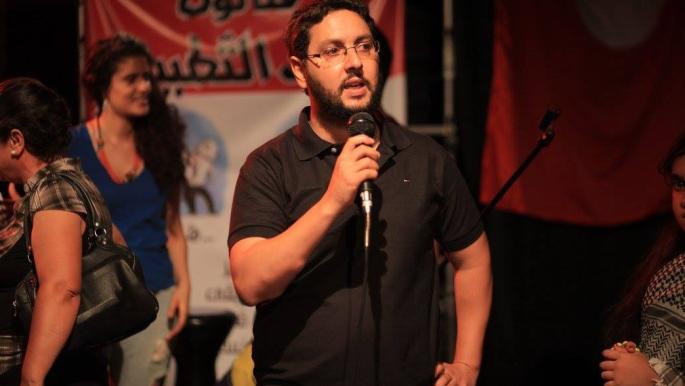
The National Syndicate of Tunisian Journalists condemned the two-year prison sentence imposed on journalist Ghassan Ben Khalifa due to accusations related to publishing news deemed 'false'. This ruling comes at a sensitive time for Tunisia, where fears regarding freedom of expression and journalists' rights are on the rise.
Ghassan Ben Khalifa, considered one of the prominent journalists in Tunisia, was accused of disseminating misleading information, which led to a judicial ruling against him. The National Syndicate of Journalists viewed this ruling as a blatant violation of press freedom and called for the necessity of respecting journalists' rights and providing them with a safe working environment.
Details of the Case
The ruling against Ghassan Ben Khalifa followed a series of investigations conducted by Tunisian authorities, based on allegations concerning the publication of inaccurate news. The National Syndicate of Journalists confirmed that this ruling represents a setback in Tunisia's democratic journey, where it was believed that the country had made progress in press freedom since the revolution of 2011.
It is worth noting that Ghassan Ben Khalifa has faced several challenges throughout his career, having been subjected to pressure from authorities due to his coverage of sensitive issues. The Syndicate considered that the ruling against him sends a negative message to all journalists in Tunisia and heightens their concerns about the possibility of expressing themselves freely.
Background & Context
Historically, Tunisia has faced significant challenges regarding press freedom, especially during the presidency of former leader Zine El Abidine Ben Ali. After the revolution, there were high hopes for improving the state of journalism; however, recent events indicate that challenges still persist. The National Syndicate of Journalists emphasized that freedom of expression is one of the pillars of democracy, and any violation of this freedom should be strongly condemned.
Moreover, the political situation in Tunisia has greatly impacted press freedom, with increasing pressures on journalists from authorities. This ruling comes at a time when the Arab world is witnessing significant political transformations, which increases the importance of protecting journalists' rights.
Impact & Consequences
The ruling against Ghassan Ben Khalifa may have wide-ranging implications for press freedom in Tunisia. The National Syndicate of Journalists warned that this ruling could lead to a significant decline in the level of freedom of expression, negatively affecting journalists' ability to cover events freely.
Additionally, this ruling may impact Tunisia's international reputation, as press freedom is viewed as one of the indicators of democracy. International human rights organizations may express concern over this ruling, potentially leading to pressures on the Tunisian government to improve its human rights record.
Regional Significance
This event is not merely a local issue; its impact extends to the entire Arab region. Many Arab countries face similar issues related to press freedom and human rights. The ruling against Ghassan Ben Khalifa may serve as a warning to journalists in other countries, who may feel apprehensive about the possibility of facing similar pressures.
In light of the current situation, Arab countries must work to enhance freedom of expression and protect journalists' rights to ensure a safe and thriving journalistic environment. Protecting journalists is not just a national responsibility; it is a collective responsibility that requires cooperation between countries and international organizations.
The ruling against Ghassan Ben Khalifa highlights the challenges facing press freedom in Tunisia and reflects the urgent need to strengthen journalists' rights in the Arab region. The international community must unite to support freedom of expression and protect journalists from any violations.