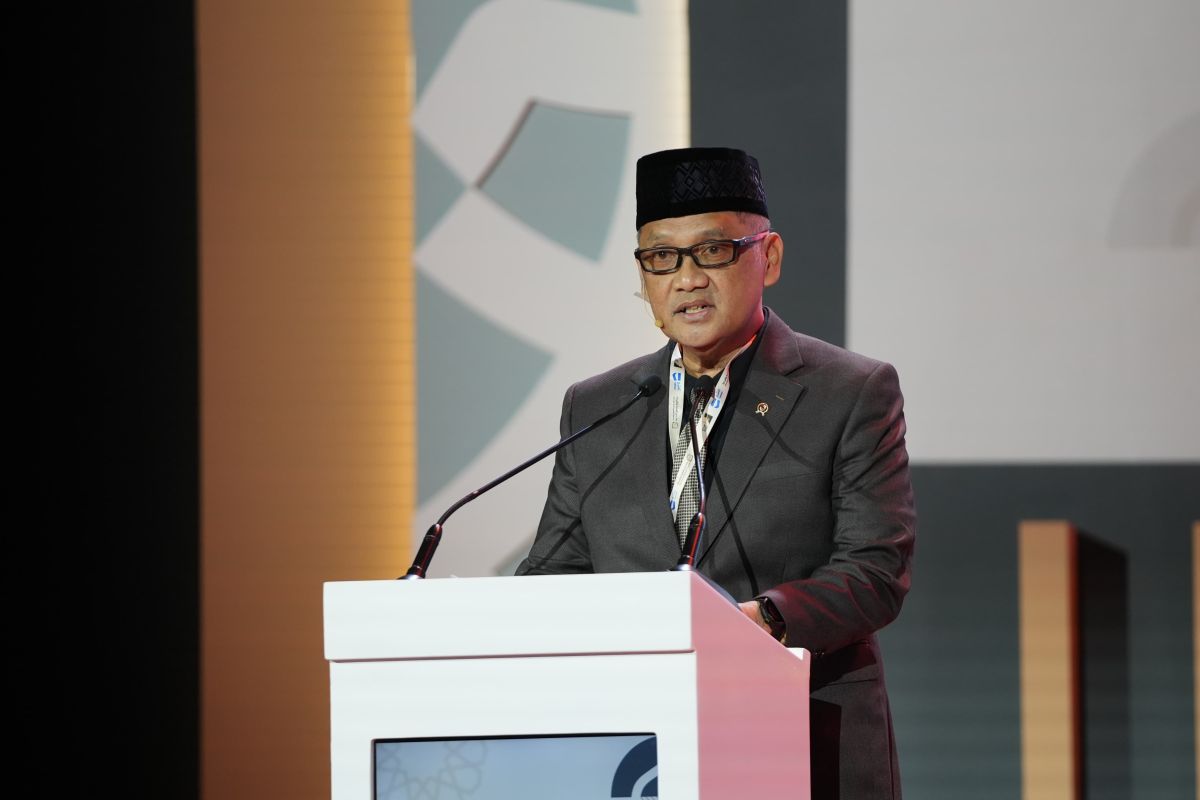
Indonesian Minister of Hajj and Umrah, Mukhamad Irfan Yusuf, confirmed that the launch of the 2026 Hajj season will remain on schedule, with pilgrims expected to begin entering accommodation centers on April 21, 2026, and departing the following day. Yusuf explained that the ministry has completed all necessary preparations, likening the process to organizing a wedding that requires meticulous arrangements.
In his statements made in the city of Jombang, Yusuf clarified that the ministry is closely monitoring the situation in the Middle East, emphasizing the importance of coordination with relevant authorities to ensure a smooth and safe Hajj process.
Event Details
Yusuf reported that all preparations have been finalized, and the ministry is awaiting the arrival of the pilgrims. He confirmed that the Indonesian government aims to provide the best services for the pilgrims, with a budget allocated of up to 18 trillion rupiah for this purpose. The importance of transparency and accountability in managing this budget was also highlighted.
Yusuf also noted that the ministry is collaborating with entities such as the Corruption Eradication Commission and the Indonesian police to ensure that no violations or corruption occur during the Hajj season. He stressed the necessity of providing a safe environment for the pilgrims, especially given the current tensions in the region.
Background & Context
The Hajj pilgrimage is one of the five pillars of Islam, attracting millions of Muslims from around the world each year. However, the political and security conditions in the Middle East may impact the organization of this pilgrimage. In recent years, the region has witnessed numerous conflicts and disputes, increasing the importance of coordination among countries to ensure the safety of the pilgrims.
Historically, Indonesia has been one of the largest sending countries for pilgrims, with an estimated 200,000 pilgrims from Indonesia each Hajj season. Nevertheless, the political situation in the region may affect the ability of pilgrims to perform their rituals.
Impact & Consequences
The current conditions in the Middle East require special attention from Indonesian authorities, as officials strive to mitigate any negative impact on the Hajj season. Ongoing conflicts in the region may raise concerns among pilgrims and their families, potentially affecting the number of registrants for the pilgrimage.
Moreover, the thorough preparations by the Indonesian government reflect its commitment to providing a safe and comfortable environment for the pilgrims, which may enhance Muslims' confidence in the government's ability to organize this pilgrimage effectively.
Regional Significance
Indonesia is one of the largest Muslim-majority countries, and any impact on its Hajj season could resonate with other Arab nations. The stability of the Hajj season in Indonesia may encourage other countries to enhance their cooperation in organizing the pilgrimage and providing support to the pilgrims.
Given the current circumstances, the success of the 2026 Hajj season in Indonesia could serve as a model for other countries in the region, underscoring the importance of regional cooperation in facing shared challenges.