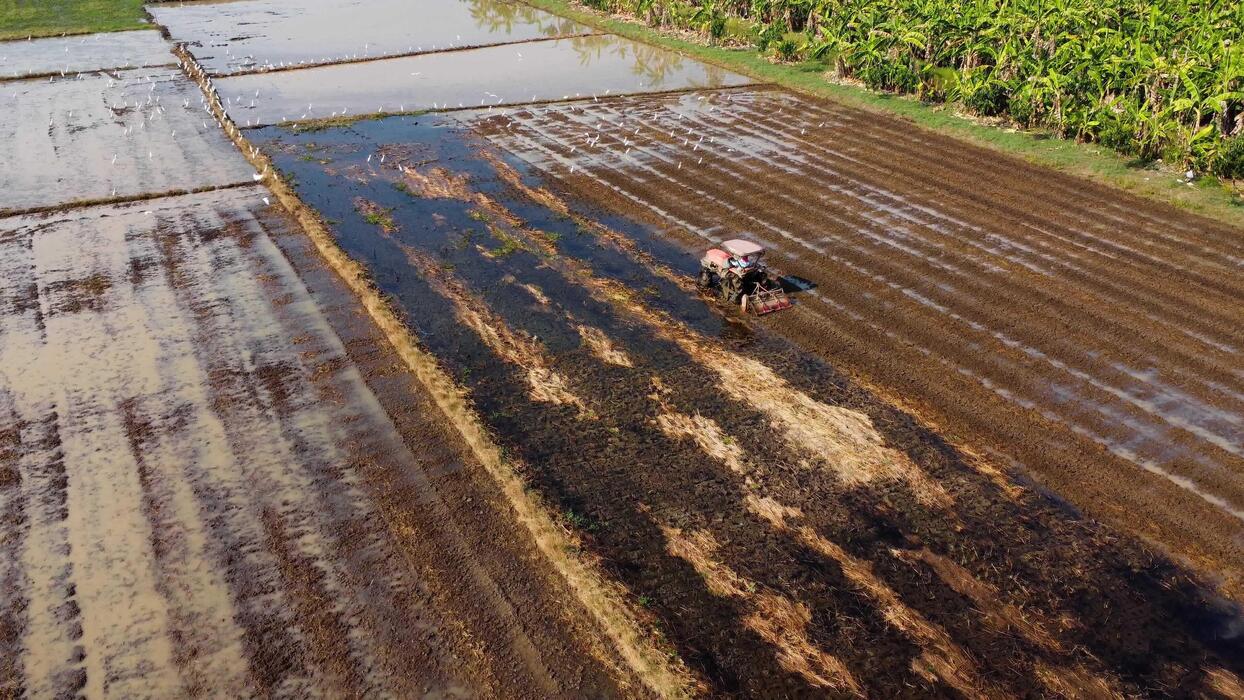
The region is experiencing a continuation of rainfall, enhancing the chances of a successful agricultural season and increasing groundwater reserves. These rains arrive at a critical time when farmers need ample water supplies to ensure crop growth and achieve high productivity.
Heavy rainfall is a significant factor in improving soil quality and increasing its fertility, which contributes to higher agricultural production. Additionally, these rains help fill dams and water reservoirs, ensuring water availability during dry periods.
Event Details
Reports indicate that the amount of rainfall over the past weeks has been above the normal average, positively impacting agricultural crops. Farmers have expressed great optimism about this season, expecting abundant yields.
The rainfall is distributed across various agricultural areas, improving the climatic conditions for plants. Furthermore, this rain helps reduce reliance on groundwater, marking a positive step towards sustainable water resource management.
Background & Context
Groundwater is a vital source for farmers in the region, especially amid climate changes affecting rainfall patterns. Historically, the area has witnessed periods of drought, leading to water shortages and threatening agricultural production.
This rainfall aligns with government efforts to improve water resource management and enhance food security. There are also programs aimed at developing modern irrigation techniques that help utilize water more efficiently.
Impact & Consequences
This rainfall directly affects the agricultural economy, contributing to increased production and reduced irrigation costs. Moreover, an increase in groundwater reserves means sustainable water resources for longer periods, positively impacting farmers' livelihoods.
These climatic conditions are expected to improve living standards in rural areas, where many residents rely on agriculture as their primary source of income. Additionally, increased agricultural production may help lower food prices in the market.
Regional Significance
This phenomenon serves as a model for water resource management in the Arab region, where many countries face significant challenges in this area. These rains could be evidence of the importance of regional cooperation in addressing climate change.
Enhancing agricultural production in one area can contribute to achieving food security on a broader scale, thereby promoting overall regional stability.
In conclusion, the ongoing rains represent a golden opportunity for farmers and the agricultural economy, boosting production and increasing groundwater reserves, which contributes to sustainable development.