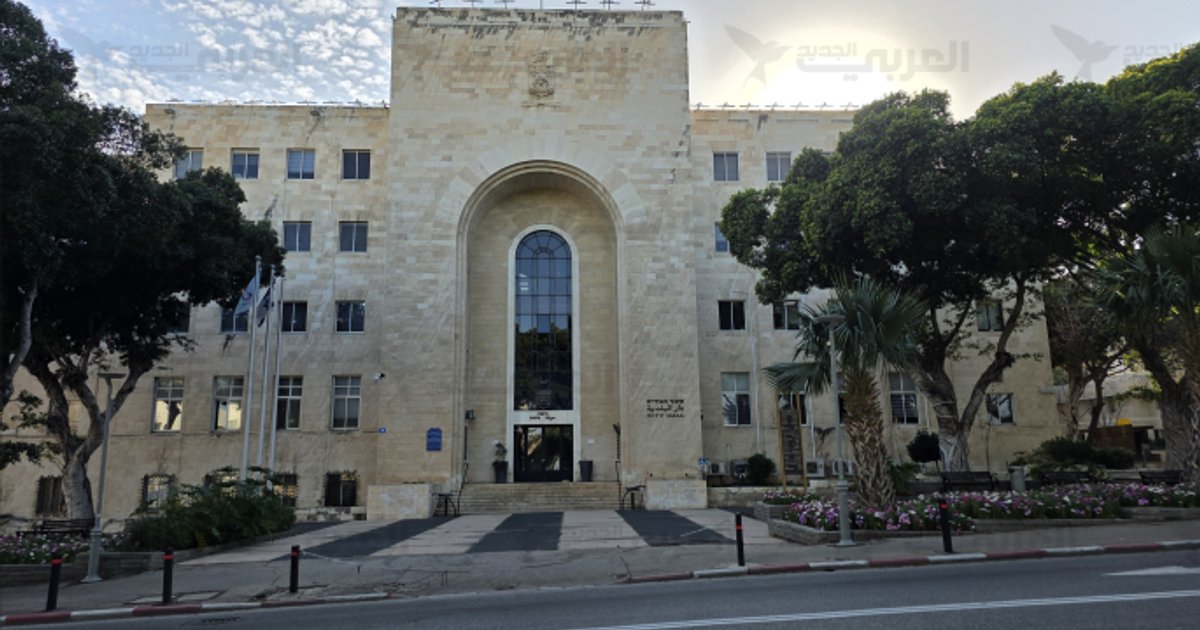
The Central Court in Haifa is currently reviewing a petition that accuses the city municipality of pursuing and harassing Arab journalists, despite their compliance with military censorship instructions. This petition reflects the increasing concern regarding press freedom in the area, where journalists are considered an essential part of civil society.
The petition submitted to the court highlights a series of incidents where Arab journalists faced harassment from local authorities. These incidents include arrests, threats, and restrictions on freedom of expression, raising questions about the extent to which human rights are respected in the country.
Details of the Case
The case involves allegations that the Haifa municipality has implemented discriminatory policies against Arab journalists, with reports indicating instances where they were prevented from covering public events or obtaining the necessary permits to work. If proven true, these policies could be seen as a blatant violation of journalists' rights and media freedom.
The Central Court, which has begun its sessions on this matter, will hear testimonies and evidence presented by both parties. This case is expected to be pivotal in determining how authorities will interact with Arab journalists in the future.
Background & Context
Historically, the region has witnessed ongoing tensions between local authorities and journalists, particularly given the complex political and social circumstances. The press plays a vital role in conveying facts and information, yet it faces significant challenges under regimes that seek to control information.
In recent years, concerns about press freedom have escalated in many Arab countries, with multiple cases of arrests and harassment of journalists being reported. This situation raises alarms about journalists' ability to perform their professional duties freely and safely.
Impact & Consequences
If the court supports the petition, it could have a significant impact on how authorities deal with Arab journalists. This could lead to a change in current policies, allowing for greater freedom for journalists to carry out their work.
On the other hand, if the petition is rejected, it may be seen as encouragement for authorities to continue their current practices, increasing the risks of restrictions on freedom of expression and human rights.
Regional Significance
This case exemplifies the challenges facing journalism in the Arab world, where pressures on journalists are increasing in many countries. Press freedom is considered an indicator of democracy and human rights, and any regression in this area could negatively impact society as a whole.
If journalists can work freely, it will contribute to enhancing transparency and accountability in governments, benefiting Arab societies overall.
In conclusion, the issue of press freedom in Haifa remains a focal point of significant interest, as everyone awaits the outcomes of these court sessions and what changes they may bring to the media landscape in the region.