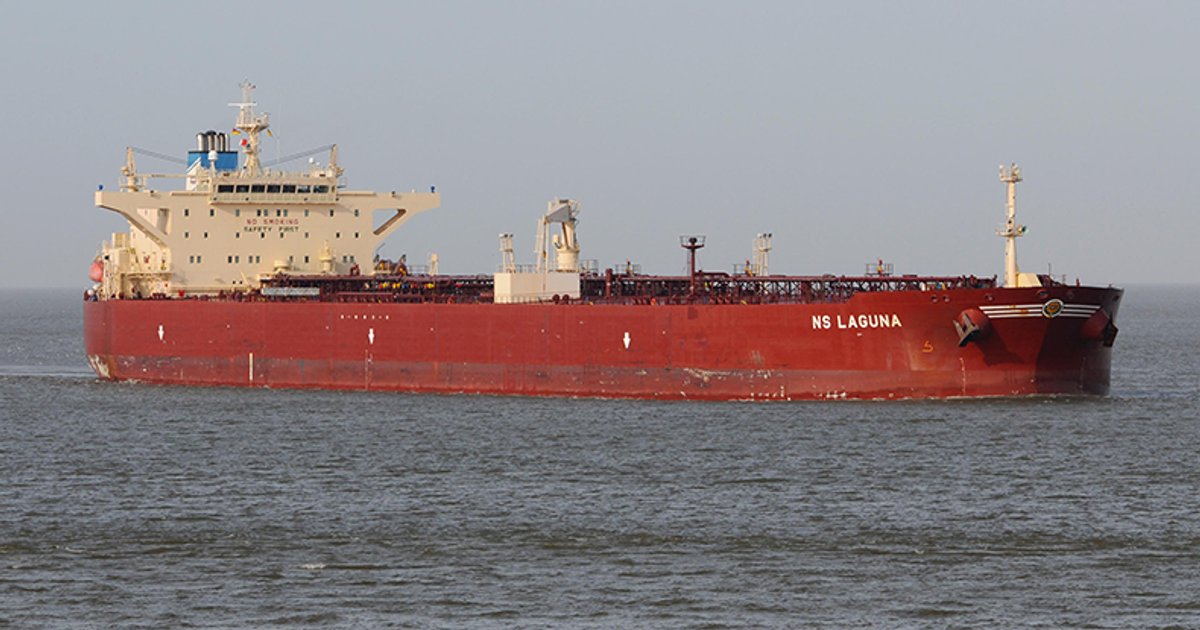
Sources have reported that a Russian oil tanker carrying 730,000 barrels of crude oil is set to arrive in Cuba on Tuesday, reflecting a surprising shift in U.S. policy towards the Cuban island. This shipment comes two months after former President Donald Trump announced on January 29 that he would impose sanctions on any country providing fuel to Cuba, which created a wave of concern in the international market.
The anticipated shipment represents the first delivery of oil to Cuba since that announcement, raising questions about the impact of this decision on international relations, especially given the difficult economic conditions Cuba is facing.
Details of the Event
This shipment of Russian oil is seen as a turning point in the relations between Cuba and Russia, as Cuba seeks to strengthen its partnership with Moscow amid the economic pressures it faces due to U.S. sanctions. Reports indicate that the vessel carrying the shipment has left Russian ports heading for Cuba, reflecting Russia's commitment to support Cuba under challenging circumstances.
This move comes at a sensitive time, as Cuba is experiencing a severe shortage of fuel and essential resources, significantly affecting the daily lives of its citizens. The new shipment could help alleviate the current crisis, but challenges remain as U.S. pressures continue.
Background & Context
Historically, Cuba has heavily relied on external support, particularly from the former Soviet Union and then Russia. Following the collapse of the Soviet Union, Cuba faced significant economic difficulties, prompting it to seek new partnerships. In recent years, Cuba has returned to strengthening its ties with Russia, particularly in the fields of energy and trade.
Trump's decision to impose sanctions on countries that support Cuba was part of a broader policy aimed at pressuring the Cuban government to change its policies. However, it appears that Russia has found ways to circumvent these sanctions, highlighting the strength of the relationship between Moscow and Havana.
Impact & Consequences
The delivery of this oil shipment could have wide-ranging effects on international relations, potentially encouraging other countries to strengthen their ties with Cuba despite U.S. pressures. This development may also lead to increased tensions between the United States and Russia, especially amid the growing geopolitical competition between the two nations.
Furthermore, this development could prompt some countries to reassess their policies towards Cuba, potentially opening the door for more investments and cooperation in the future. However, risks remain, as any escalation in tensions could negatively impact the Cuban economy, which heavily relies on imports.
Regional Significance
Considering the situation in the Arab region, this development could have indirect effects. Relations between Cuba and Arab countries may improve, especially as some Arab nations seek to enhance their partnerships with Latin American countries. Additionally, Cuba's experience in facing sanctions may offer lessons to other countries in the region facing similar challenges.
In conclusion, the delivery of Russian oil to Cuba signifies a shift in international relations and reflects the ability of countries to overcome sanctions and pressures. It remains to be seen how events will unfold in the future and whether this step will lead to larger changes in international policy.