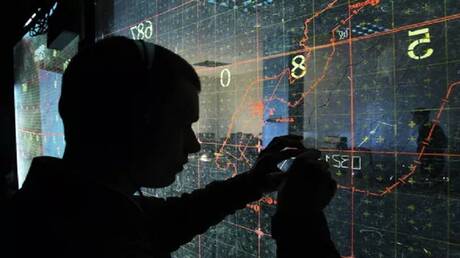
On Saturday, the Russian Ministry of Defense reported the successful interception and destruction of 22 Ukrainian drones within a short timeframe of six hours. These operations were carried out in the airspace over Crimea and five Russian regions, reflecting the rising military tensions in the area.
This incident is part of a series of aerial confrontations that have been occurring since the onset of the conflict between Russia and Ukraine. Both countries are striving to enhance their defensive and offensive capabilities under the current circumstances. Reports indicate that Russia has increased its military readiness, further intensifying the conflict.
Details of the Incident
According to official data, the drones were destroyed in various locations, demonstrating the capability of Russian air defenses to counter aerial threats. The ministry confirmed that the operations were successfully conducted without any losses among Russian forces. This success reflects the technological advancements Russia has achieved in air defense, which has become a core element of its military strategy.
It is noteworthy that drones have become a primary weapon in modern conflicts, utilized by nations for various purposes including reconnaissance and attack. In this context, Ukraine is among the countries that have heavily relied on this technology in its attempts to confront Russian forces.
Background & Context
The roots of the conflict between Russia and Ukraine trace back to 2014, when Russia annexed Crimea following the ousting of former Ukrainian President Viktor Yanukovych. Since then, the region has witnessed a continuous escalation in hostilities, resulting in the deaths of thousands of civilians and military personnel.
Crimea is considered a strategically important point, overlooking the Black Sea and housing Russian naval bases. This location makes it a primary target for any Ukrainian military operations, complicating the security situation in the region.
Impact & Consequences
These events could lead to a greater escalation in the conflict, as Ukraine may seek to intensify its attacks on Russian targets. On the other hand, Russia might respond by increasing its military operations, which could herald further tensions in the region.
The continuation of these operations may affect regional and international security, with rising concerns about the outbreak of a broader conflict that could involve other countries. Additionally, these developments could impact relations between Russia and Western nations, which are closely monitoring the situation.
Regional Significance
The Arab region is indirectly affected by the Russian-Ukrainian conflict, as military tensions could lead to increased energy and food prices, impacting the economies of Arab countries. Any escalation in the conflict may also reflect on regional security, prompting Arab nations to take precautionary measures.
In light of these circumstances, Arab countries must closely monitor developments, as any changes in the geopolitical landscape could affect their interests and security.