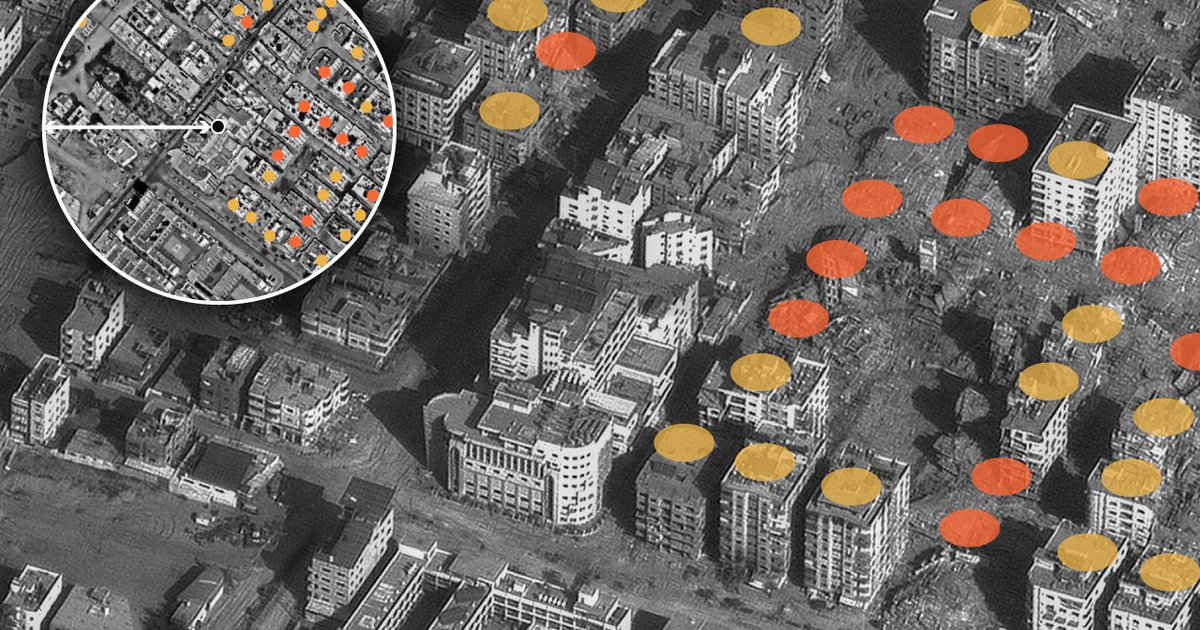
The Gaza Municipality announced that the Israeli occupation has destroyed around 80% of the water drainage networks in the city, further worsening the deteriorating humanitarian situation. This destruction comes at a time when Gaza is suffering from a severe shortage of essential resources, including clean water.
Water drainage networks are vital infrastructure that contributes to public health and environmental preservation. With the destruction of these networks, residents of Gaza face significant challenges in accessing clean water, increasing the risk of disease outbreaks.
Details of the Incident
The Gaza Municipality clarified that the damage to the water networks resulted from repeated assaults by the occupation, which deliberately targeted water pumping stations and drainage lines. This has exacerbated the crises faced by residents, who heavily rely on these networks to meet their daily needs.
Reports indicate that the situation in Gaza has worsened in recent years, with an increase in military assaults negatively impacting essential infrastructure. This has led to the destruction of many vital facilities, including schools and hospitals, further increasing the suffering of the population.
Background & Context
Historically, Gaza has witnessed numerous wars and conflicts that have resulted in significant destruction of infrastructure. Since 2007, the occupation has imposed a suffocating blockade on the region, affecting all aspects of daily life. In this context, the water and sewage networks have fallen into disrepair, unable to meet the growing needs of the population.
Water is a fundamental issue in Gaza, where residents face a severe shortage of fresh water. According to reports, over 90% of the water in Gaza is unfit for human consumption, highlighting the urgent need to improve water and sewage networks.
Impact & Consequences
The destruction of water drainage networks has serious implications for public health and the environment. With increasing water outages, residents face the risk of waterborne diseases, such as cholera and typhoid. Additionally, the deterioration of infrastructure affects the ability of hospitals and schools to provide essential services.
These conditions require urgent intervention from the international community to provide humanitarian assistance and improve living conditions in Gaza. Stakeholders must work on rebuilding water and sewage networks to ensure the provision of clean and safe water for the population.
Regional Significance
The situation in Gaza exemplifies the humanitarian challenges faced by many regions in the Arab world. The destruction of essential infrastructure affects social and economic stability, increasing tensions in the area.
Humanitarian crises in Gaza require ongoing international support, as improving living conditions for residents can contribute to achieving peace and stability in the region. Arab countries and the international community must collaborate to support Gaza and meet the needs of its population.
In conclusion, there must be concerted efforts to rebuild Gaza and improve living conditions there. The destruction of water networks is part of a larger crisis that requires comprehensive and sustainable solutions.