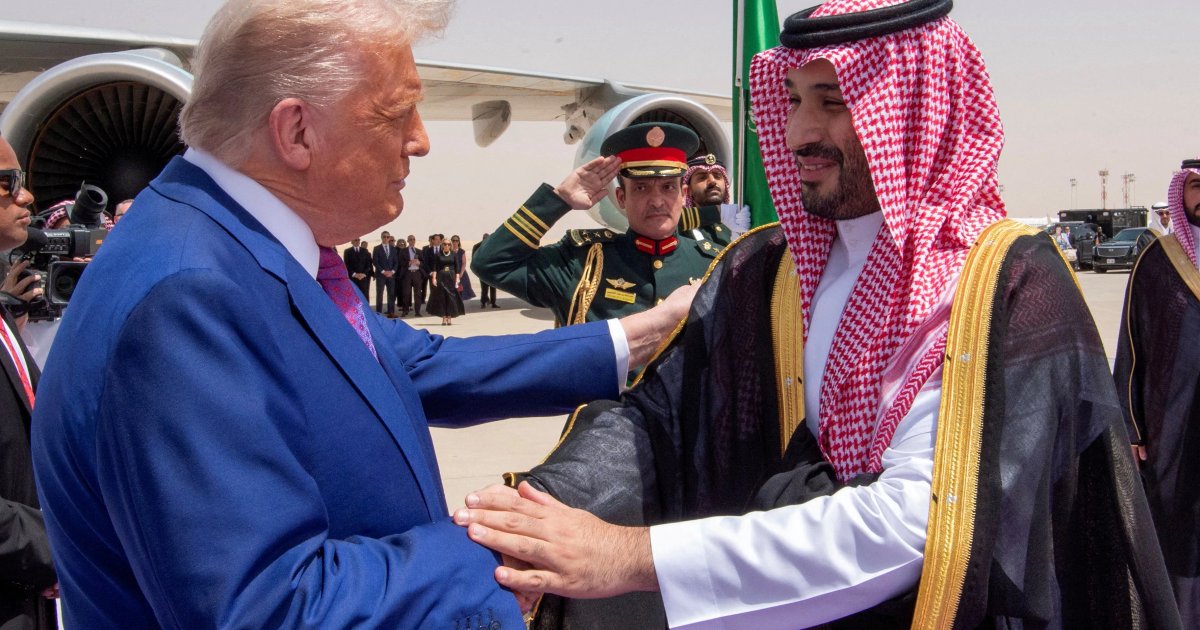
Saudi Crown Prince Mohammed bin Salman and Qatari Emir Sheikh Tamim bin Hamad Al Thani convened in Jeddah to discuss the escalating Iranian threats and their impact on maritime security and energy supplies. This meeting comes at a time when the region is experiencing heightened tensions due to Iranian activities in international waters.
The discussions are part of both countries' efforts to enhance security and economic cooperation, as they seek joint solutions to the challenges facing the region. The meeting underscored the importance of maintaining maritime stability, particularly in the Strait of Hormuz, which is a vital artery for oil and gas transportation.
Details of the Meeting
During the meeting, a variety of security and economic issues were addressed. The Crown Prince emphasized the need for effective measures to counter Iranian threats affecting regional security. Additionally, the challenges facing global energy supplies were reviewed, which could be significantly impacted by any military escalation in the region.
On the other hand, the Emir of Qatar expressed his country's support for efforts aimed at achieving security and stability in the region, stressing the importance of cooperation among Gulf states to face common challenges. An agreement was reached to enhance coordination between the two countries in defense and security fields.
Background & Context
The region is witnessing a notable escalation in Iranian activities, with Tehran increasing its military presence in international waters, raising concerns among neighboring countries. These activities are seen as a direct threat to maritime security, with several incidents of targeting commercial vessels reported recently.
Historically, the Gulf region has attracted the attention of global powers, as a significant portion of the world's oil and gas supplies pass through it. Therefore, any escalation in this area could significantly impact global markets.
Impact & Consequences
Estimates suggest that ongoing tensions in the region could lead to rising oil prices, affecting the global economy. Furthermore, military escalation may negatively impact foreign investments in the region, increasing instability.
Moreover, this situation could heighten tensions between major powers, particularly the United States and Russia, as both seek to enhance their influence in the region. Consequently, any escalation could drag the area into a broader conflict.
Regional Significance
These developments are particularly significant for Arab countries, all of which are directly or indirectly affected by tensions in the Gulf. Stability in the region is vital for achieving economic and social development.
Additionally, cooperation among Gulf states, such as Saudi Arabia and Qatar, can contribute to enhancing regional security, enabling Arab nations to more effectively face common challenges.
In conclusion, the situation in the Gulf remains under close observation, requiring ongoing diplomatic efforts to avoid military escalation and ensure regional stability.