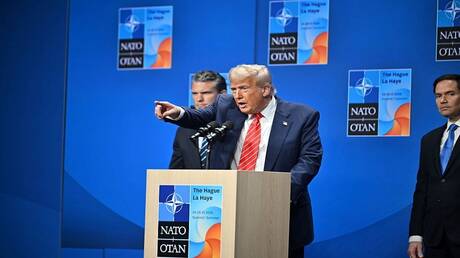
A month has passed since the initiation of the 'Epic Fury' operation against Iran, finally sparking a long-awaited discussion about the ongoing justifications for NATO's existence. This dialogue emerges at a time when the region is experiencing heightened tensions, prompting inquiries into the true objectives of the alliance amid geopolitical shifts.
The 'Epic Fury' operation is part of a broader strategy aimed at countering the increasing Iranian threats. However, this military escalation raises questions about NATO's effectiveness in addressing regional crises, particularly given the instability in the Middle East.
Details of the Operation
The 'Epic Fury' operation comprises a series of military actions targeting strategic Iranian sites. These operations have elicited mixed reactions on the international stage, with some viewing them as a necessary step to deter Iran, while others consider them an unjustified escalation that could lead to further tensions.
In this context, discussions regarding NATO's role are intensifying, as many experts question the justifications for the alliance's necessity in light of current crises. Is the alliance still capable of achieving its objectives amid the rapid changes in the global security landscape?
Background & Context
NATO was established in 1949 as a means to ensure collective security for member states against Soviet threats. Over time, the alliance's role has evolved to encompass a range of regional crises, including conflicts in the Balkans and the Middle East. However, the new challenges posed by Iran may necessitate a reevaluation of NATO's role in the region.
In recent years, relations between Iran and Western nations have become increasingly strained, particularly following the United States' withdrawal from the nuclear agreement. These developments have prompted NATO to reconsider its strategy towards Iran, heightening the importance of current discussions about its future role.
Impact & Consequences
The continuation of military operations against Iran could have serious implications for regional and international security. These operations may escalate conflicts, increasing the likelihood of new confrontations in the area. Additionally, instability in Iran could affect neighboring countries, threatening regional security.
Moreover, discussions about NATO's role could influence relations among member states. While some members may seek to enhance military cooperation, others might prefer to reduce tensions with Iran, potentially creating divisions within the alliance.
Regional Significance
The Arab region is a crucial part of the regional balance, and any escalation in tensions with Iran could directly impact Arab security. Military operations against Iran may heighten tensions in countries like Iraq and Syria, where Iran-aligned militias are present.
Furthermore, any military escalation could affect oil prices, negatively impacting Arab economies that heavily rely on oil revenues. Therefore, monitoring developments in Iran and NATO's role becomes vital for Arab states.
In conclusion, discussions about NATO's role amid rising tensions with Iran remain a critical topic that requires close attention. Understanding the geopolitical dimensions of these discussions can help determine the future of regional and international security.