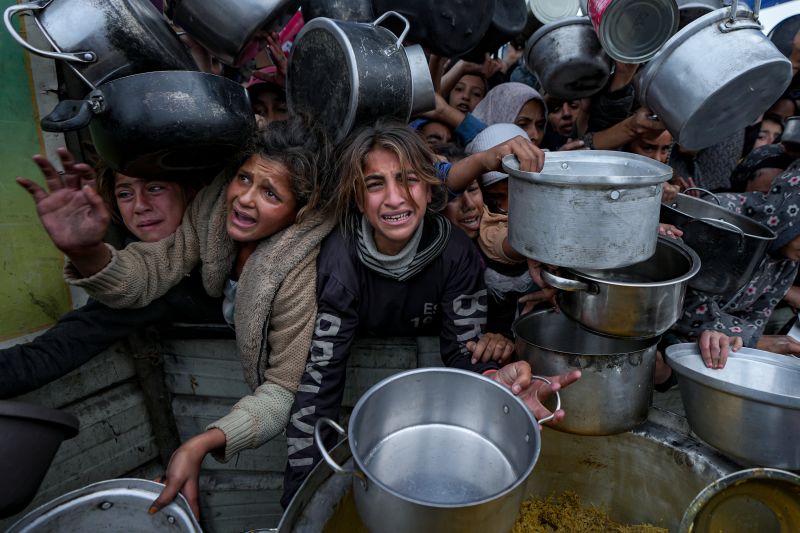
The King Salman Humanitarian Aid and Relief Center has begun distributing food baskets to displaced families in Khan Younis, Gaza, in a step aimed at alleviating their suffering due to the difficult circumstances they face. This initiative is part of the center's ongoing efforts to support the Palestinian people, especially in light of the increasing humanitarian crises in the region.
The distribution of food baskets includes a variety of essential items needed by the displaced, such as rice, flour, sugar, oil, and other necessary food supplies. The center aims through this initiative to provide for the needs of displaced families, who are suffering from a severe shortage of resources due to the current situation.
Event Details
The food baskets were distributed to a large number of displaced families in Khan Younis, where the most needy families were identified in cooperation with local authorities. This initiative has received great appreciation from the beneficiaries, who expressed their gratitude for the efforts made by the King Salman Center.
This distribution comes at a critical time, as Gaza is suffering from recurring humanitarian crises due to the ongoing blockade and continuous conflicts. The King Salman Humanitarian Aid and Relief Center is considered one of the leading humanitarian organizations providing support in this area, as it always seeks to meet the needs of the affected population.
Background & Context
Historically, Gaza has witnessed numerous humanitarian crises due to ongoing conflicts, leading to a deterioration in the living conditions of its residents. Many Palestinians suffer from poverty and unemployment, making them in desperate need of humanitarian aid. Reports have shown that the poverty rate in Gaza has exceeded 50%, highlighting the importance of humanitarian support.
The King Salman Humanitarian Aid and Relief Center, established in 2015, aims to provide humanitarian assistance worldwide, especially in areas suffering from crises. The center has implemented numerous humanitarian projects in Gaza, including the distribution of food and medical aid.
Impact & Consequences
The distribution of food baskets has a positive impact on displaced families, as it helps improve their living conditions temporarily. This effort also reflects Arab and international solidarity with the Palestinian people in their plight. This initiative is expected to contribute to alleviating the severity of the humanitarian crises faced by Gaza's residents.
Moreover, such initiatives enhance the role of humanitarian organizations in providing support and assistance during critical times, reflecting the importance of humanitarian work in promoting stability in the region.
Regional Significance
The humanitarian crises in Gaza are part of the larger picture of crises affecting the Arab region. Providing humanitarian support to the Palestinian people reflects the commitment of Arab countries and the international community to assist those affected by conflicts. Additionally, these initiatives strengthen humanitarian ties between peoples and contribute to building peace and stability in the region.
In conclusion, hope remains pinned on further humanitarian efforts to support the Palestinian people, as humanitarian crises require a swift and effective response from all concerned parties. The King Salman Humanitarian Aid and Relief Center serves as a model in providing support and assistance in times of need.