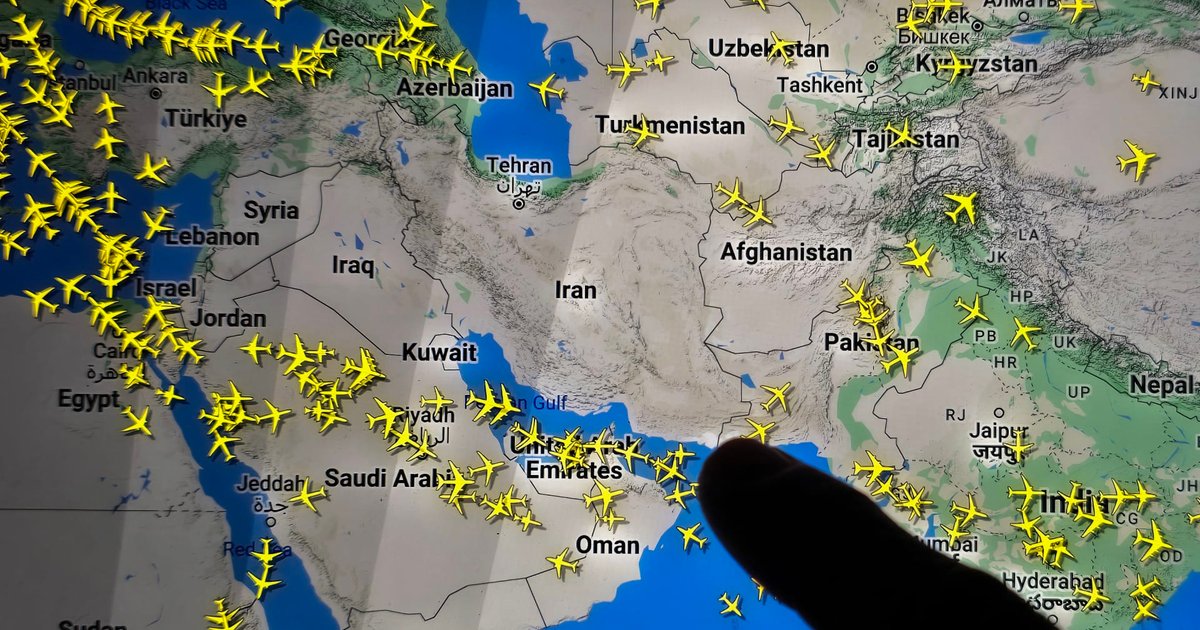
The Iranian army announced on Sunday that it had downed an F-15 fighter jet belonging to the American enemy in the south of the country using advanced air defense systems, leading to its crash near Hormuz Island in the Arabian Gulf.
This announcement came through an official statement issued by the Joint Air Defense Headquarters, where the army confirmed that the aircraft was targeted hours before its downing. The statement clarified that the fighter jet was brought down using surface-to-air missiles, and an investigation has been launched to determine its fate.
The Tasnim news agency released a video on its X account showing the incident, but the U.S. and Israeli governments have not yet provided any confirmations or information about the incident. This event follows a series of exchanged statements between Iran and the two countries, as Tehran had previously claimed to have downed an American F-35 fighter jet and an Israeli F-16, indicating a rise in military tensions in the region.
In a related context, the U.S. military reported that the F-35 made an emergency landing at a military base in a neighboring country, while Israel confirmed that the F-16 was targeted but was unharmed, reflecting the changing nature of the conflict between the nations.
Historically, relations between Iran and both the United States and Israel have been fraught with continued tensions, and this military escalation occurs against the backdrop of ongoing hostilities. Iran declared war on the United States and Israel since February 28, resulting in hundreds of casualties, including prominent leaders such as Supreme Leader Ali Khamenei.
The Iranian escalation comes at a time when Tel Aviv and Washington are conducting attacks on Iranian territory, increasing tension levels in the Arabian Gulf region. Tehran, in response, is launching missiles and drones targeting what it claims to be American interests on Arab soil.
This escalation arrived at a sensitive time when many Arab nations are seeking stability and enhancing regional security, yet attacks targeting American interests have complicated the situation, with involved parties refusing to acknowledge losses or civilian damages.
Remarkably, the recurrence of such events may fuel conflicts and lead to unforeseen outcomes in the region. As such, these events must be taken into consideration when analyzing the current geopolitical situation in the Middle East, which is undergoing rapid and surprising changes.
On another note, attention should be paid to the implications of this escalation on regional and global security, as concerns grow over the potential for a broader conflict that could involve countries in the Arabian Gulf and beyond.
Amid these conditions, the international community is cautiously awaiting developments, with calls for de-escalation and seeking diplomatic solutions rather than military escalation.