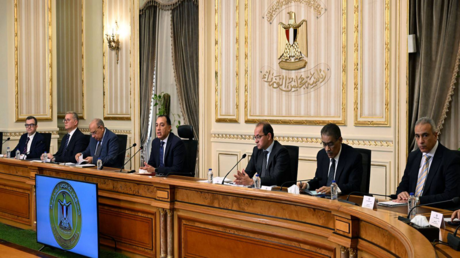
Egyptian Prime Minister Dr. Mostafa Madbouly announced the repercussions of the ongoing war in the region, confirming its significant impact on Egypt. In his statements, Madbouly delivered messages that carry both shock and hope for citizens, noting that regional conditions have led to considerable economic and social challenges.
Madbouly clarified that the government is working to confront these challenges by implementing swift and effective measures aimed at protecting the Egyptian economy and alleviating burdens on citizens. He also stressed the importance of national solidarity in facing these crises, indicating that the government will exert its utmost efforts to ensure price stability and provide essential goods.
Current Situation Overview
In a press conference held in Cairo, Madbouly reviewed the current situation in the country amidst the successive crises affecting the region. He confirmed that the government is closely monitoring developments and is working on strategic plans to address any repercussions that may arise from regional conflicts.
He noted that the government has taken tangible steps to enhance food security, including increasing the strategic stock of essential goods such as wheat and oils. Plans have also been announced to support the most vulnerable groups, including increasing cash assistance for poor families.
Background & Context
Madbouly's statements come at a sensitive time, as the region is witnessing escalating military tensions, raising concerns about the impact on the Egyptian economy. Historically, Egypt has been significantly affected by regional crises, where wars and conflicts have led to rising prices and deteriorating economic conditions.
In recent years, Egypt has faced multiple economic challenges, including rising inflation rates and a shortage of foreign currency. However, the government has managed to achieve some stability through comprehensive economic reforms, making it more capable of facing current crises.
Impact & Consequences
Forecasts indicate that the repercussions of the war in the region could exacerbate economic conditions in Egypt, potentially negatively affecting citizens' lives. The anticipated increase in the prices of essential goods is expected to worsen the poverty crisis, as many Egyptians rely on government support to meet their daily needs.
Moreover, regional conflicts may impact foreign investments in Egypt, hindering the government's efforts to achieve sustainable economic growth. Therefore, the government is urged to take urgent measures to ensure economic stability and alleviate pressures on citizens.
Regional Significance
The effects of the war in the region extend beyond the countries involved, impacting economic and social stability across the Arab world. The escalation of military tensions could lead to increased migration and displacement, placing additional pressures on neighboring countries.
Furthermore, the economic crises resulting from conflicts may exacerbate humanitarian conditions in many Arab countries, necessitating an urgent response from the international community. In this context, Egypt is one of the countries that may be significantly affected, calling for intensified local and international efforts to resolve ongoing crises.
In conclusion, hope remains pinned on the Egyptian government's ability to overcome these challenges by taking effective measures to ensure the country's stability and provide a decent life for citizens.