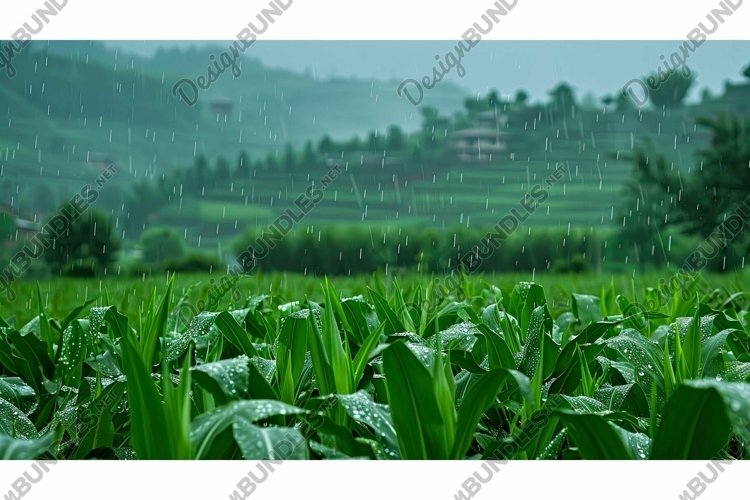
The northwestern Badia in Jordan has witnessed a remarkable revival in the agriculture and water sectors, thanks to the current rainy season that has contributed to enhancing the environmental and living conditions of the residents. Reports indicate that the heavy rains that fell over the past weeks have led to a significant increase in groundwater reserves, promising a fruitful agricultural season.
Agriculture is one of the primary sources of income in this region, where many farmers rely on rain to meet their water needs. With the increasing amounts of rainfall, farmers have begun to seize this opportunity to plant new crops, thereby boosting their productivity and increasing job opportunities in the area.
Details of the Event
According to local reports, the amount of rainfall that fell on the northwestern Badia exceeded the usual averages, with some areas recording nearly 150 mm of rain. This increase in rainfall rates has contributed to rehabilitating agricultural lands that were affected by drought in previous years.
Agricultural experts have noted that this rain will help improve soil quality and increase its fertility, positively impacting crop production. Farmers have started planting crops such as wheat and barley, which require large amounts of water.
Background & Context
The northwestern Badia region has faced environmental and economic challenges, suffering from severe water shortages in recent years. These conditions have affected agricultural production, prompting many farmers to reduce their cultivated areas or abandon them altogether.
However, the current rainy season comes at a critical time as Jordan seeks to enhance food security and reduce reliance on imports. Improving the agriculture sector is part of national strategies aimed at achieving sustainable development.
Impact & Consequences
This rainy season is expected to have positive effects on the local economy, contributing to increased agricultural production and providing new job opportunities. Additionally, improving agricultural conditions may lead to stabilizing food prices in the local market.
Moreover, the increase in water reserves will help improve water resource management, contributing to reducing water-related tensions in the region. This is essential given the climatic challenges faced by many Arab countries.
Regional Significance
This rainy season exemplifies how climatic conditions affect food security in the Arab region. Many countries suffer from water shortages and drought, highlighting the importance of improving water and agricultural resource management.
Enhancing agriculture in the northwestern Badia could serve as a model for other countries facing similar challenges, fostering regional cooperation in agriculture and water management.
In conclusion, the current rainy season represents a golden opportunity to enhance the agriculture and water sectors in the northwestern Badia, contributing to improving the living conditions of local residents and bolstering food security in Jordan.