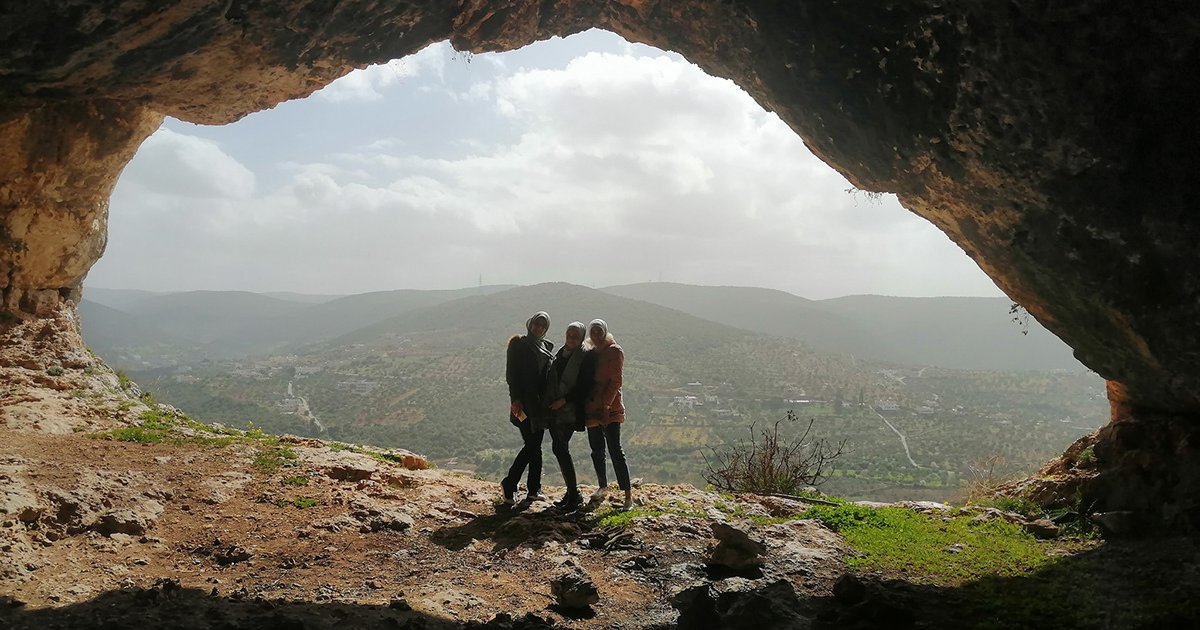
The Ajloun Municipality is striving to enhance services in the Rajab area, where residents and specialists have launched calls for the development of infrastructure and public services, proposing the designation of Rajab as an eco-tourism village. This step aims to boost sustainable tourism in the region, contributing to the economic improvement of local residents.
Rajab is considered one of the areas rich in breathtaking nature, characterized by its natural beauty and environmental diversity. However, the lack of basic services such as roads and public facilities poses a barrier to attracting tourists. Therefore, improving these services is a necessary step to make the area a distinctive tourist destination.
Event Details
In a recent meeting, several officials and tourism specialists emphasized the importance of developing the Rajab area. They noted that its designation as an eco-tourism village would help attract more visitors, thereby supporting the local economy. Ideas were also proposed regarding the development of new tourist trails and enhancing environmental activities.
Furthermore, the necessity of cooperation between government entities and the private sector to achieve these goals was emphasized. Many investors have expressed their willingness to support tourism development projects in the region, reflecting a growing interest in investment opportunities in eco-tourism.
Background & Context
Eco-tourism is considered one of the promising sectors in Jordan, as the country possesses significant natural and cultural diversity. With the increasing awareness of the importance of environmental preservation, many tourists are seeking destinations that offer sustainable tourism experiences. Therefore, developing the Rajab area as an eco-tourism village aligns with global trends in tourism.
Moreover, the Jordanian government has launched several initiatives to promote sustainable tourism, reflecting its commitment to achieving sustainable economic development. The development of the Rajab area is expected to contribute to these goals.
Impact & Consequences
If Rajab is designated as an eco-tourism village, it will lead to an improvement in the living standards of local residents by providing new job opportunities. It will also help enhance environmental awareness among visitors and residents alike, contributing to the preservation of the natural environment.
Additionally, the development of tourism in Rajab may lead to increased investments in infrastructure, benefiting the local community. This growth in tourism is expected to encourage the development of new projects in areas such as hospitality and restaurants.
Regional Significance
The Rajab experience serves as a model for the Arab region, where it can inspire other countries to develop sustainable eco-tourism. Amid the environmental and economic challenges faced by many Arab countries, promoting eco-tourism can be an effective solution for improving economic conditions.
Furthermore, the success of the Rajab experience may encourage the exchange of expertise among Arab countries in the field of sustainable tourism, enhancing regional cooperation in this area.
In conclusion, developing the Rajab area as an eco-tourism village represents an important step towards promoting sustainable tourism in Jordan. Improving services and infrastructure in the area will benefit local residents and enhance Jordan's status as a distinctive tourist destination.