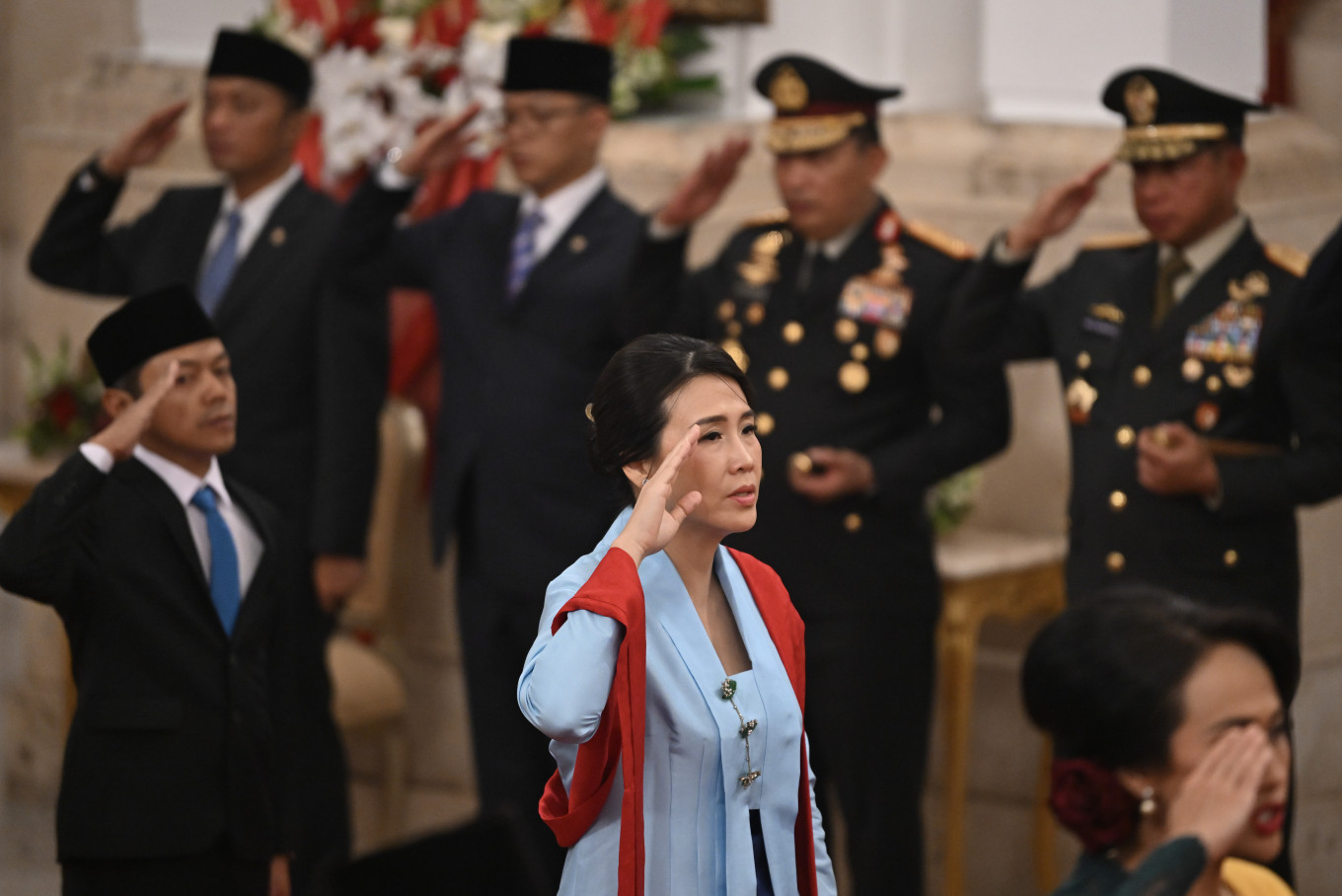
During a national dialogue in Jakarta, Veronica Tan, Deputy Minister for Women's Empowerment and Child Protection in Indonesia, emphasized the necessity of enhancing cooperation among ministries to achieve strategic national programs that positively impact women's leadership. She pointed out that women's participation is a fundamental part of development, not merely as beneficiaries of programs.
Tan explained that the government aims to integrate women into various economic and social fields through the 'Better Quick Results' program, which includes initiatives such as 'Free Nutritious Food', 'Community Schools', and 'Local Cooperatives', contributing to strengthening women's roles in society.
Importance of Women's Participation in Economic Development
The dialogue highlighted the significance of women's involvement as key players in economic development. Tan stressed that women must be part of leadership in national strategies, rather than just recipients of aid. Empowering women requires effective strategies that ensure their active participation in all aspects of development.
Tan also addressed the importance of enhancing local agriculture as a means to support food security, emphasizing that women should be the primary beneficiaries of these initiatives. Strengthening local agriculture can improve living conditions for families and enhance women's leadership capabilities.
Background & Context
Historically, Indonesia has seen increasing efforts to support women's empowerment, with numerous programs and initiatives aimed at enhancing women's roles in society. However, challenges remain, as women face obstacles in many areas that hinder their effective participation in development.
Indonesia is among the countries striving for gender equality, yet significant gaps still exist in various fields, including education and the economy. Therefore, the government's efforts to enhance women's leadership are considered a crucial step towards achieving sustainable development goals.
Impact & Consequences
Enhancing women's leadership has positive implications for society as a whole. The more women participate in leadership, the greater the opportunities for improving economic and social conditions. Moreover, having women in leadership positions can contribute to policy changes that better reflect community needs.
Furthermore, empowering women can lead to improved food security, as women are often more concerned about nutrition and health issues within their families. Thus, supporting local agriculture and empowering women in this field can contribute to an overall improvement in quality of life.
Regional Significance
These efforts are vital in the broader context of gender equality and sustainable development. By focusing on women's leadership, Indonesia is not only addressing local challenges but also contributing to global discussions on women's rights and empowerment.
In conclusion, the government's initiatives to enhance women's leadership represent a significant stride towards achieving gender equality and empowering women in sustainable development.