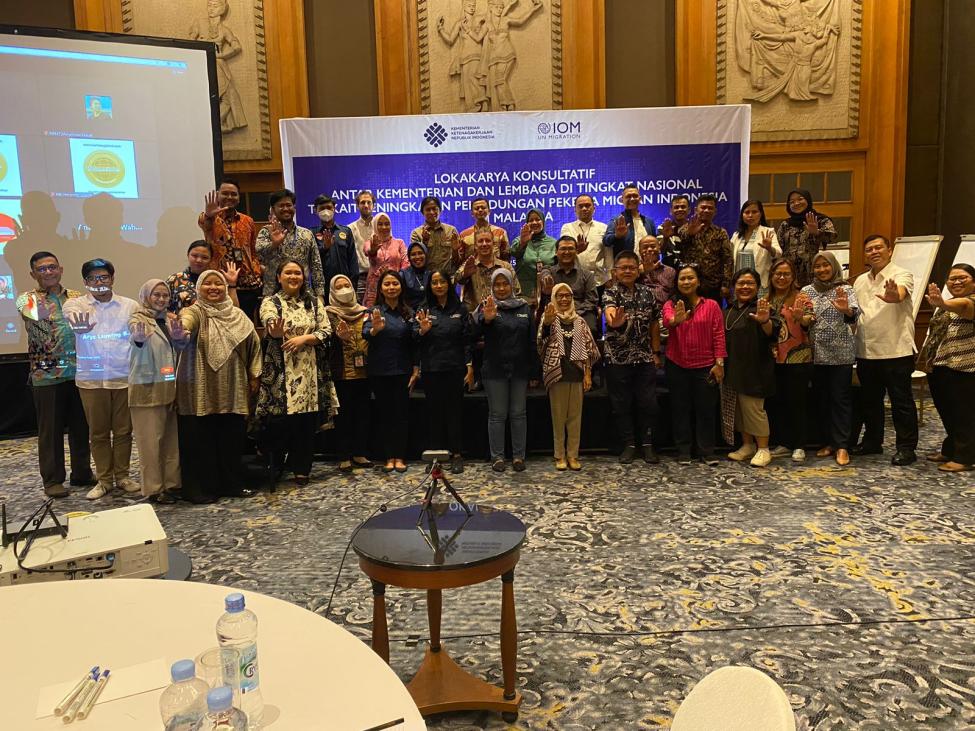
The Indonesian government has assured that Indonesian migrant workers (PMI) in Middle Eastern countries are safe amid escalating political and security tensions in the region. The government indicated that it is taking precautionary measures to ensure the safety of these workers in anticipation of any developments that may arise in the countries where they are employed.
These statements come at a time when the region is experiencing increasing tensions, causing concern among the families of migrant workers. The Indonesian government, through the Ministry of Foreign Affairs, confirmed that it is closely monitoring the situation and coordinating with local authorities in host countries to ensure the safety of its citizens.
Details of the Situation
As part of the efforts to protect migrant workers, the Indonesian government has issued several guidelines for workers on how to act in emergencies. Communication channels between the government and migrant workers have also been enhanced to ensure they receive necessary support at any time. Officials noted that emergency plans have been established to address any scenarios that may affect the workers' safety.
Indonesian migrant workers are a significant part of the national economy, contributing substantially to remittances sent back to the country. Therefore, any threat to their safety could directly impact the Indonesian economy.
Background & Context
Historically, the Middle East has witnessed numerous political crises that have affected migrant workers. In recent years, the number of Indonesian workers in countries such as Saudi Arabia, the UAE, and Qatar has increased, as many seek better job opportunities. However, the volatile political conditions in the region may raise concerns about their safety.
Despite these challenges, the Indonesian government is working to enhance the rights of migrant workers and provide them with necessary support. Representative offices have been established in some countries to offer legal assistance and psychological support to the workers.
Impact & Consequences
The implications of the current situation extend beyond the personal safety of the workers, as it could affect bilateral relations between Indonesia and the host countries. In the event of any escalation, the Indonesian government may take diplomatic steps to protect the interests of its citizens.
Moreover, the situation could impact the Indonesian economy as a whole, as many families rely on remittances from migrant workers. Therefore, ensuring their safety is a top priority for the government.
Regional Significance
The conditions in the Middle East are closely related to regional stability, as any tension could also affect migrant workers from Arab countries. Thus, ensuring the safety of Indonesian migrant workers could serve as a model for how to handle crises in the region.
In conclusion, there is hope that the Indonesian government will continue to take necessary measures to protect its citizens, and that these efforts will contribute to enhancing stability in the region.