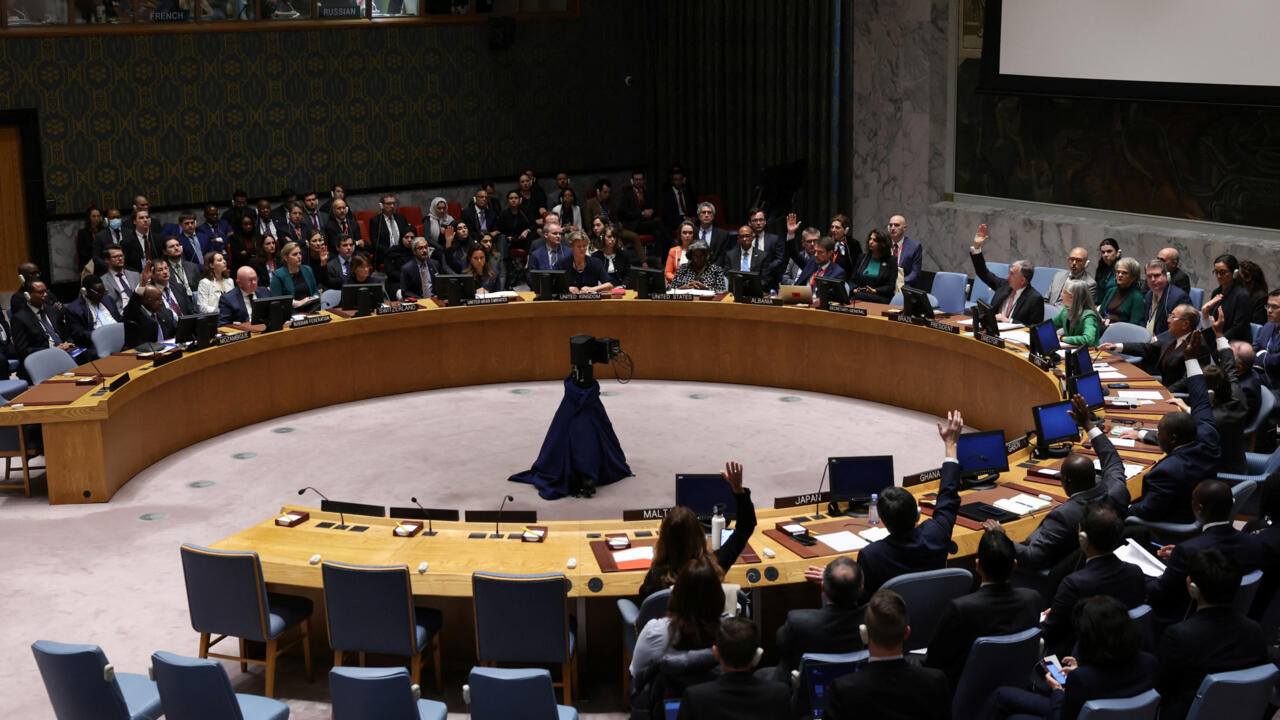
The region is currently witnessing a significant escalation in military tensions, raising fears of a potential new war. Events are unfolding rapidly, with statements and military movements from the involved parties reflecting a state of instability that could lead to further escalation.
In light of these circumstances, attention is turning to the major powers that play a pivotal role in shaping the course of events. Recent reports have indicated that there are intensive military movements in several areas, reflecting the readiness of various parties to confront any developments that may arise.
Details of the Ongoing Events
Events in the region are unfolding, with military reports observing unprecedented troop movements, in addition to military reinforcements along borders. Many observers have pointed out that these movements are part of preparations to face any potential escalation, especially with rising tensions between certain countries.
Informed sources have reported that emergency meetings are being held among military leaders to discuss the current situation, reflecting a growing concern about the possibility of armed conflict. In this context, some countries have issued warnings against escalation, calling for dialogue as a means to resolve disputes.
Background & Context
Historically, the region has witnessed numerous armed conflicts that have led to radical changes in the political landscape. It is well-known that military tensions often result from complex political conflicts, intertwined with regional and international interests. Recent events have exacerbated these situations, as divisions among countries have increased.
Moreover, the economic and social crises faced by some countries have intensified tensions, making it difficult to reach peaceful solutions. Previous events have shown that any escalation could lead to serious repercussions on both regional and international levels.
Impact & Consequences
If tensions continue to escalate, it could lead to severe consequences for regional security. Any military confrontation is likely to affect the global economy, especially given the heavy reliance on natural resources in the region. Armed conflicts could also exacerbate humanitarian crises, increasing the suffering of civilians.
Furthermore, any escalation may open the door to external interventions, complicating the situation further. This could lead to greater divisions among countries, hindering peace and stability efforts.
Regional Significance
The Arab region is among the most affected by military tensions, as any escalation could impact many neighboring countries. The stability of the region heavily depends on the ability of countries to overcome their differences and reach peaceful solutions. In this context, the importance of dialogue and cooperation among countries emerges as a means to avoid escalation.
In conclusion, hope remains pinned on diplomacy as a means to resolve disputes, as peace is the only option that guarantees stability in the region. Current events remind us of the importance of collective action to achieve security and stability in the area.