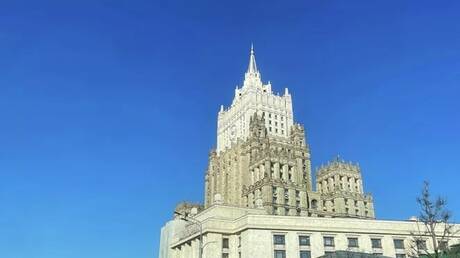
Russian Foreign Ministry spokesperson Maria Zakharova warned that escalating tensions surrounding Iran could ignite a 'widespread fire' in the Middle East, threatening to extend its impact globally. Zakharova stressed that the current situation requires all involved parties to take urgent steps to avoid exacerbating the crisis.
Amid increasing tensions between Iran and Western nations, particularly the United States, concerns are rising that any military escalation could have catastrophic implications for regional and international security. Zakharova expressed her worries that any escalation of military actions could drag the region into a comprehensive conflict, which could have devastating effects on peoples and nations.
Details of the Situation
Zakharova's statements come at a time when the Arabian Gulf is witnessing heightened tensions, with skirmishes increasing between Iranian forces and American troops. Recent days have seen military movements from both sides, raising fears of an open conflict. Iran is considered a key player in the region, exerting significant influence over many political and military events.
The Russian statements also come at a sensitive time, as many countries are seeking diplomatic solutions to the crisis. Russia has repeatedly called for dialogue and negotiation as a means to ease tensions, emphasizing the importance of avoiding military escalation.
Background & Context
Historically, the Middle East has experienced numerous crises and wars with far-reaching consequences. Since the Iranian Revolution in 1979, Iran has become a major player in regional politics, leading to ongoing tensions with Western countries and neighboring Arab states. The Iranian nuclear issues are among the most contentious points, with Western nations accusing Iran of seeking nuclear weapons, a claim that Tehran denies.
In recent years, tensions have notably increased, especially after the United States withdrew from the Iranian nuclear deal in 2018. Since then, Iran has taken escalatory steps, prompting military responses from the United States and its allies in the region.
Impact & Consequences
If the escalation continues, it could lead to serious repercussions for regional and international security. Oil prices could be significantly affected, impacting the global economy. Furthermore, any military conflict could result in mass refugee displacement, increasing the burden on neighboring countries.
Moreover, military escalation could provide opportunities for extremist groups to exploit the chaos, heightening the risk of terrorism in the region. This could lead to military interventions from other countries, complicating the situation further.
Regional Significance
The Arab countries neighboring Iran are among the most affected by the current tensions. Countries like Iraq, Syria, and Lebanon are already suffering from the effects of ongoing conflicts, and any new escalation could complicate matters further. Additionally, the Gulf Arab states, which rely on stability in the region, may face new challenges amid rising tensions.
In this context, Arab nations must take clear positions regarding the crisis and work to enhance regional and international cooperation to prevent escalation. Dialogue and negotiation are the only means to achieve stability in the region.
The current escalation surrounding Iran represents a significant challenge to regional and international security. All involved parties must work diligently to avoid further deterioration of the situation and seek peaceful solutions that ensure stability in the region.