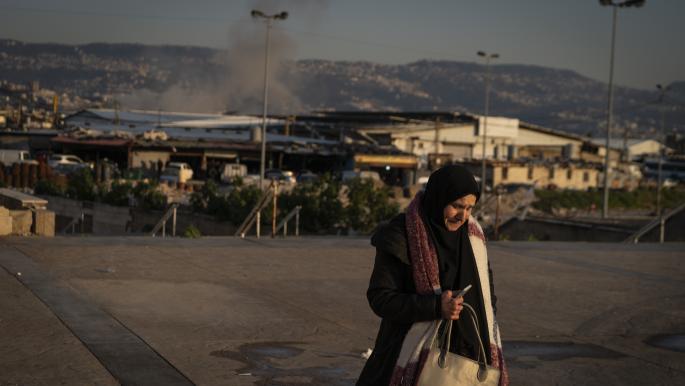
Doctors Without Borders has called for the protection of civilians and medical facilities in Lebanon amid escalating Israeli attacks that hinder access to healthcare and essential services. The organization warns that the continuation of these attacks threatens the lives of many individuals who require necessary treatment and healthcare.
This call comes at a time when Lebanon is witnessing a significant escalation in Israeli attacks, exacerbating the suffering of a population already grappling with a severe economic and health crisis. Representatives from the organization have noted that many hospitals and health centers have sustained serious damage, impacting their ability to provide essential services to patients.
Details of the Situation
Recently, border areas in Lebanon have experienced a surge in Israeli attacks, with Israeli warplanes targeting various sites, resulting in the destruction of some health facilities. Doctors Without Borders has documented numerous cases of Lebanese citizens unable to access healthcare due to these attacks, placing them in real danger.
The organization also added that the health situation in Lebanon was deteriorating even before these attacks, with the healthcare system suffering from a severe shortage of resources and medications. As violence escalates, it has become increasingly difficult for medical teams to operate effectively and provide necessary support to patients.
Background & Context
Lebanon has been suffering from multiple crises for years, including a crippling economic crisis that has led to the collapse of the healthcare system. These crises have been exacerbated by ongoing conflicts in the region, making it difficult for the Lebanese government to provide essential services to its citizens. In this context, the recent Israeli attacks represent an additional blow to the struggling healthcare system.
Historically, Lebanon has been a theater for armed conflicts, having witnessed numerous wars and struggles over the decades. With rising tensions in the region, the situation has become more complex, further increasing civilian suffering and impacting their ability to access healthcare.
Impact & Consequences
Doctors Without Borders emphasizes that the continuation of Israeli attacks will worsen health conditions in Lebanon, leaving many patients with no treatment options. Additionally, the destruction of health facilities will increase pressure on the remaining hospitals, potentially leading to a complete collapse of the healthcare system.
Moreover, these conditions may lead to increased emigration from Lebanon, as many citizens seek better opportunities in other countries. This, in turn, could affect the demographic makeup of the country and increase economic and social burdens.
Regional Significance
The situation in Lebanon exemplifies the humanitarian crises faced by many Arab countries. As armed conflicts escalate and economic conditions deteriorate, citizens find themselves facing significant challenges in accessing essential services. These crises also impact regional stability, complicating the situation further in the area.
Ultimately, the situation in Lebanon requires an urgent response from the international community to protect civilians and ensure their access to healthcare. There must be concerted efforts to address humanitarian crises in the region and provide necessary support to countries suffering from conflicts.