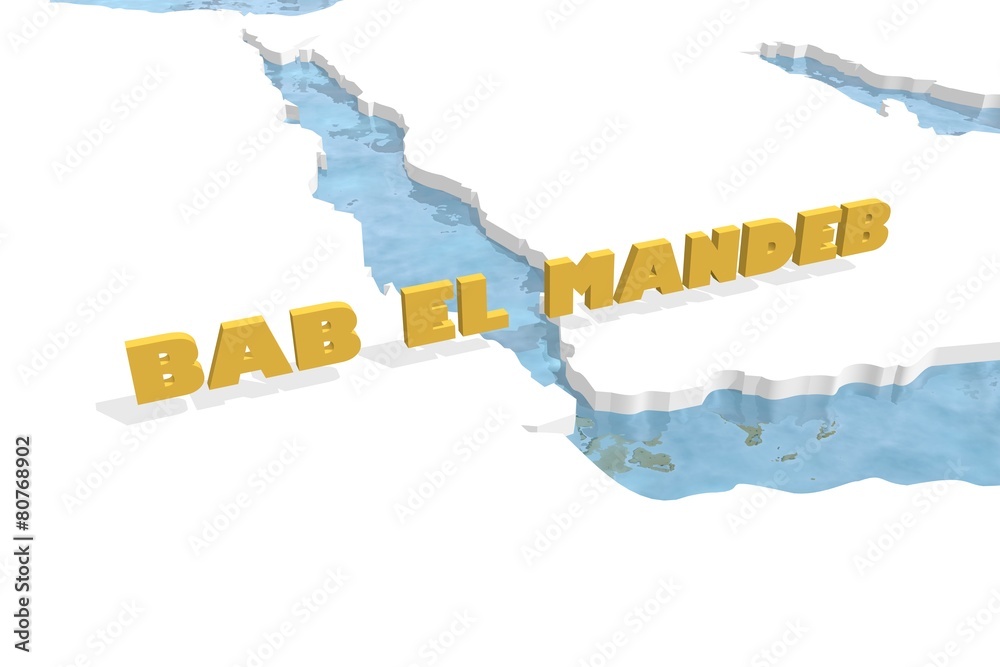
Global fears are escalating that the ongoing conflict between the United States, Israel, and Iran may enter a new phase centered around the Bab el-Mandeb Strait, which is considered a vital transit point for approximately 10% of global oil trade. In this context, Ibrahim Fraihat, a professor of international conflicts at the Doha Institute for Graduate Studies, warned that merely announcing the possibility of closing the strait by the Houthi group is enough to trigger panic in the markets.
If this scenario materializes, oil tankers would be forced to alter their routes, sailing around South Africa, which would increase transit times from 10 to 15 days, thereby raising oil prices and exacerbating economic uncertainty, as confirmed by Fraihat to Al Jazeera.
Details of the Event
The Bab el-Mandeb Strait is a waterway approximately 30 kilometers wide, characterized by its strategic, economic, and military significance, making it a battleground for regional and international conflicts. It represents the southern gateway to the Red Sea, linking the Gulf of Aden, the Arabian Sea, and the Indian Ocean, forming an important link in the shorter and less costly maritime trade route connecting East Asia to Europe.
In this context, Fraihat expressed his belief that Iranian support for the Houthis through threats to the strait reflects a strategy of "horizontal pressure" that allows Tehran to influence global energy markets without the need for direct intervention, thereby increasing the economic impact of the war.
Background & Context
On Saturday, Houthi military spokesman Yahya Saree announced that the group had carried out attacks on what he described as "vital" targets in southern Palestine using cruise missiles and drones. Saree confirmed that the operation coincided with actions carried out by Iran and Hezbollah, noting that the attacks "successfully achieved their objectives."
Two days prior, the Iranian Revolutionary Guard declared that the Strait of Hormuz was closed and that any attempt to cross it would face a severe response, adding that the passage of any vessel to and from the ports of US and Israeli allied countries is prohibited "through any corridor."
Impact & Consequences
Military expert Brigadier Elias Hanna states that the American military buildup, including Marines, airborne forces, and the aircraft carrier USS George Bush, aims to expand President Donald Trump's options on the ground and reflects a capacity for "strategic flexibility" to present specific threats that would push Iran to the negotiating table.
However, Hanna emphasizes that any ground action must be limited and have a clear political impact to convince Iran to engage in negotiations, which has not yet been achieved. He estimates the likelihood of a ground operation against Iran at 70%, compared to 20% for the possibility of reaching a diplomatic solution and 10% for the chance of non-intervention.
Regional Significance
Concerns are growing that any escalation or intervention will be limited in scope, as both sides continue to experience military and economic depletion. At the same time, the importance of controlling oil straits and raising the cost of economic warfare is increasing to create a dynamic of pressure on the adversary and force them to negotiate.
In conclusion, the situation in the Bab el-Mandeb Strait remains a pivotal point in the regional and international conflict, requiring close monitoring of developments, especially in light of the increasing threats that could significantly impact global energy markets.