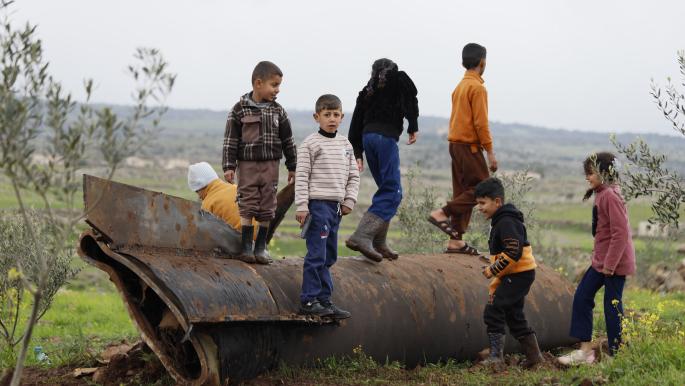
Syria stands as a witness to the ongoing war in the region, raising questions about its role and influence. Despite not being a direct party, the repercussions of the conflict cast a shadow over the country.
Syria is considered one of the most affected countries by the ongoing events in the region, having witnessed a rise in tensions and conflicts over the past years. Although the current situation may seem as if Syria has distanced itself from the circle of conflict, the reality indicates that the country continues to suffer from the effects of war indirectly.
Details of the Event
Since the beginning of the conflict in Syria, the country has undergone a radical transformation in its political and social landscape. Syria has become a battleground for regional and international power struggles, placing it at the heart of events despite its lack of direct involvement in the conflict. This phenomenon is manifested in the increasing number of Syrian refugees in neighboring countries and the impact this has on regional stability.
The economic and social crises that Syria suffers from as a result of the civil war contribute to exacerbating the situation. Reports have shown that the poverty rate in the country has risen significantly, increasing the suffering of citizens and reflecting the negative impact of war on daily life.
Background & Context
Since 2011, Syria has entered a spiral of armed conflicts that have led to the destruction of the country's infrastructure. With the increase of external interventions, the situation has become more complex, as major powers vie for influence in the region. These conflicts have resulted in the deaths of hundreds of thousands of people and the displacement of millions, making Syria one of the largest refugee crises in the world.
Despite international attempts to find peaceful solutions, efforts often collide with political and military obstacles. These dynamics have led to a division within Syrian society, complicating reconciliation and reconstruction efforts.
Impact & Consequences
The repercussions of the war in Syria extend beyond its borders, affecting regional stability in general. The humanitarian crises resulting from the conflict have increased pressures on neighboring countries, which host large numbers of refugees. Additionally, the rising tensions between major powers in the region increase the likelihood of new conflicts erupting.
Furthermore, the economic impact of the war reflects on all aspects of life, as citizens suffer from acute shortages of essential resources such as food and medicine. Reports indicate that the Syrian economy is in a state of collapse, further increasing the suffering of citizens and reflecting the negative impact of war on daily life.
Regional Significance
Syria is a pivotal point in regional conflicts, where events within it affect the overall security and political situation in the Middle East. The successive crises in Syria could exacerbate conditions in neighboring countries, threatening regional stability.
The influx of Syrian refugees into neighboring countries presents significant challenges for these nations, necessitating a coordinated international response to address the humanitarian crises. The international community must act urgently to support relief and reconstruction efforts in Syria to ensure the stability of the region as a whole.
Syria remains at the heart of events despite its lack of direct involvement in the conflict. The repercussions of the war continue to cast a shadow over the country, necessitating greater international attention to resolve the humanitarian and political crises it faces.