An exceptional conference of the Tunisian Labor Union began in Monastir on Wednesday, marking an important step towards addressing the internal disputes that have plagued the organization. The conference, expected to last several days, aims to reorganize the internal structure of the union and strengthen its role in defending workers' rights.
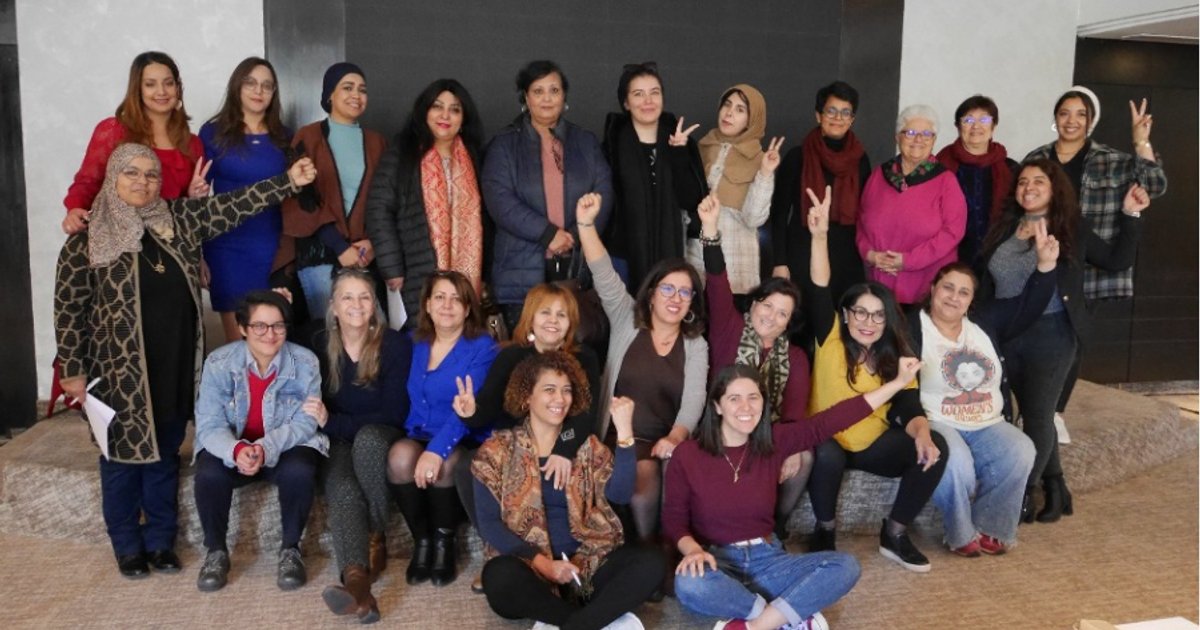
In this context, the Tunisian Democratic Women’s Organization has called for the need to enhance women's presence in the union's leadership, emphasizing the importance of empowering women in decision-making positions. This demand comes at a time when Tunisia is witnessing extensive discussions about the role of women in political and social life.
Event Details
A large number of union and labor leaders are participating in the conference, where the agenda addresses a range of vital issues concerning Tunisian workers. It is expected that strategies necessary to enhance unity within the union will be discussed during the conference, alongside addressing the economic and social challenges facing workers.
The discussions also highlight the importance of integrating women into the union's leadership structures, reflecting modern trends towards achieving gender equality in various fields. Many female leaders have expressed their readiness to take on leadership positions within the union, indicating a genuine desire to change the stereotypical image of women in Tunisian society.
Background & Context
This conference comes at a time when Tunisia is experiencing political and social polarization, with various forces vying for influence. Since the Tunisian revolution in 2011, the Labor Union has faced numerous challenges, including internal disputes that have affected its ability to effectively represent workers' interests.
Historically, the Labor Union has played a pivotal role in Tunisian political life, significantly influencing many political milestones. However, internal disputes have led to a decline in its role in recent years, necessitating a reevaluation of its strategies and objectives.
Impact & Consequences
If the conference succeeds in achieving its goals, it could strengthen unity within the Labor Union, positively impacting the labor movement in Tunisia. Additionally, enhancing women's roles in leadership may contribute to changing the prevailing culture regarding women's roles in society, potentially opening new avenues for political and social participation.
However, challenges remain, as the union must confront increasing economic and social pressures that require a swift and effective response. The success of the conference depends on the ability of union leaders to overcome disputes and focus on the core issues that matter to workers.
Regional Significance
The experience of the Labor Union in Tunisia serves as a model in the Arab region, where many countries suffer from weak labor unions and a declining role in defending workers' rights. Strengthening women's roles in leadership could have a positive impact on the women's movement in other Arab countries, contributing to achieving greater equality and social justice.
In conclusion, the conference presents a historic opportunity for the Tunisian Labor Union to rebuild itself and enhance its role in society, which could contribute to improving workers' conditions and elevating women's status in public life.