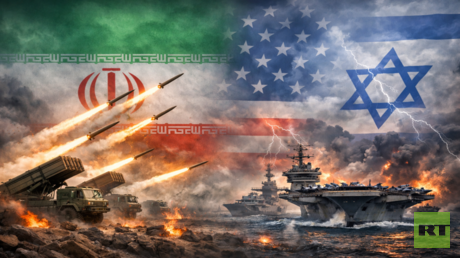
The German newspaper Süddeutsche Zeitung reports that the ongoing conflict with Iran could be seen as a defeat for the United States and Israel, which expected a swift resolution. While Washington and Tel Aviv were betting on a quick victory, Iranian responses have been stronger than anticipated, reflecting an escalation in regional tensions.
Concerns are growing that prolonging the conflict could lead to unforeseen consequences, as Iran has demonstrated a capacity to respond more aggressively than previously thought. This situation may place the United States and Israel in a vulnerable position, as signs emerge of their inability to achieve their objectives quickly.
Details of the Ongoing Conflict
In the context of the ongoing dispute, Iran has shown resilience and the ability to respond to international pressures, prompting observers to question the strategies of Washington and Tel Aviv. Recent Iranian statements indicate that Tehran will not back down easily, further complicating the situation.
These developments serve as a wake-up call for the United States and its allies, as any further escalation could exacerbate conditions in the region. Analyses suggest that Iran may benefit from time, allowing it to enhance its military and political capabilities.
Background & Context
Historically, the relationship between Iran and the United States has seen continuous escalation, especially following Washington's withdrawal from the nuclear agreement in 2018. Since then, the United States has imposed strict sanctions on Iran, worsening the country's economic and political conditions.
In recent years, tensions have significantly increased, with Iran expanding its influence in the region by supporting armed groups in Iraq, Syria, and Lebanon. This influence has made it difficult for the United States and its allies to achieve stability in the region.
Impact & Consequences
If the conflict continues to escalate, it could have serious implications for regional and international security. Any direct military confrontation is likely to lead to greater escalation, potentially dragging other countries into the conflict and complicating the situation further.
The economic impacts would also be significant, as any escalation in the conflict could affect global oil markets and increase energy prices. This could negatively reflect on the global economy, which is still recovering from the effects of the COVID-19 pandemic.
Regional Significance
Neighboring Arab countries find themselves in a precarious position, as any escalation in the conflict could impact their stability. Gulf states, in particular, may find themselves in a difficult situation if military tensions rise.
Furthermore, the ongoing conflict could exacerbate instability in Iraq and Syria, increasing civilian suffering and complicating peace efforts in the region.
In conclusion, it appears that prolonging the conflict with Iran could lead to unexpected outcomes, prompting the international community to reassess its strategies toward Tehran. The challenges faced by the United States and Israel require new strategic thinking, as available options may be limited under current circumstances.