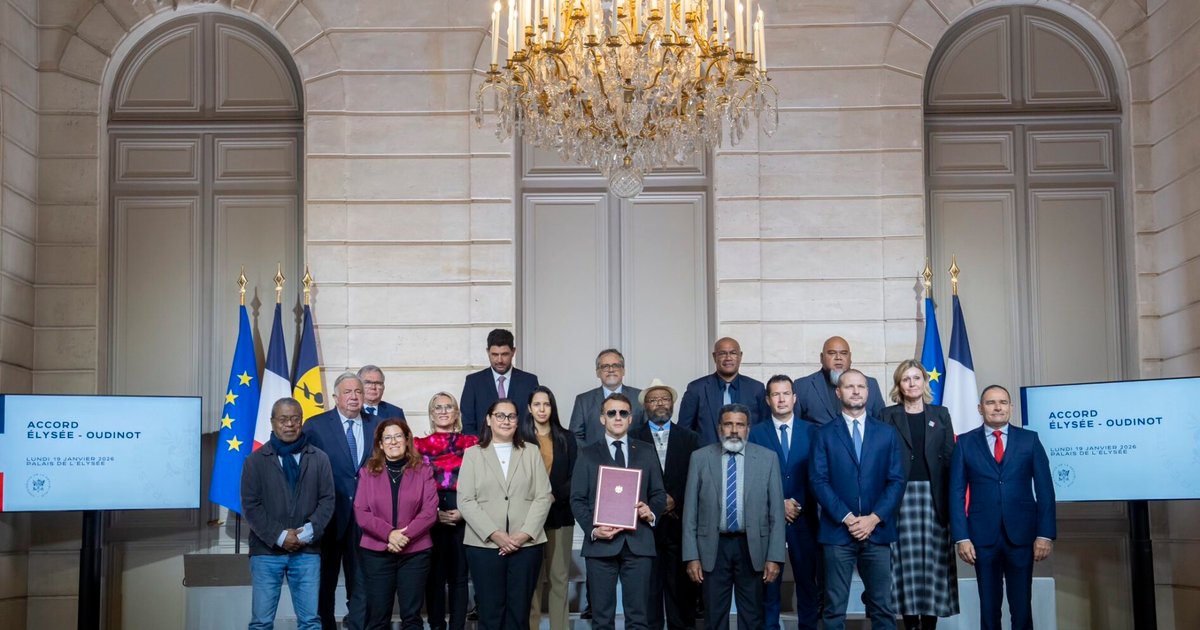
French lawmakers have rejected the constitutional bill concerning New Caledonia, following a motion by Communist MP Emmanuel Tjiabou. This decision comes at a critical time for the French government, which faces significant challenges in managing the political and social situations in the region. French Minister for Overseas Territories Sébastien Lecornu is scheduled to meet with the signatories of the Bougainville project next week to discuss the next steps.
The Bougainville project is part of the French government's efforts to find solutions to the ongoing crisis in New Caledonia, which has witnessed political and social tensions over the past few years. The bill was presented as a means to enhance autonomy in the territory, but its rejection by lawmakers reflects deep divisions within the French parliament regarding how to address issues of independence and autonomy in remote areas.
Details of the Event
During the National Assembly session, the motion to reject the bill was passed by a significant majority, reflecting a lack of consensus on the Bougainville project. MP Emmanuel Tjiabou, who proposed the motion, indicated that the project does not meet the needs of the people of New Caledonia and that more comprehensive solutions should be sought to reflect the aspirations of the local population.
In response to this rejection, French Minister Sébastien Lecornu announced plans to hold a meeting with the signatories of the Bougainville project, indicating that the government remains committed to seeking solutions to the crisis. This meeting could be an opportunity to reassess the situation and explore new options that may help achieve stability in the region.
Background & Context
Historically, New Caledonia has experienced long-standing conflicts over issues of autonomy and independence. In 2018, a referendum was held on the independence of the territory, where the majority of the population voted to remain a part of France. However, tensions remain, as many residents feel inadequately represented in the French government.
The Bougainville project was seen as a step towards enhancing autonomy, but it faced criticism from various parties. Some observers believe that the French government needs to adopt a more inclusive approach to address New Caledonia's issues, including listening to the views of local residents and meeting their needs.
Impact & Consequences
The rejection of the Bougainville project may exacerbate conditions in New Caledonia, as local residents may feel frustrated by their inability to achieve their political aspirations. This rejection may also reflect broader divisions in French society regarding how to handle autonomy issues in remote areas.
This situation is likely to lead to further protests and demonstrations in New Caledonia, as residents seek to express their demands. The French government now faces a significant challenge in how to restore trust with local populations and achieve stability in the region.
Regional Significance
Although New Caledonia is far from the Arab world, issues related to autonomy and independence remain relevant. Many Arab countries face similar challenges in their own contexts, as some peoples strive to achieve their political and social rights.
The experience of New Caledonia could serve as a lesson for Arab countries on the importance of dialogue and listening to the demands of local populations, especially amid the political and social crises faced by many countries in the region.
In conclusion, the situation in New Caledonia remains complex, and the recent rejection of the Bougainville project highlights the challenges faced by the French government in managing conditions in the territory. The government must seek effective solutions that reflect the aspirations of local residents and help achieve stability in the region.