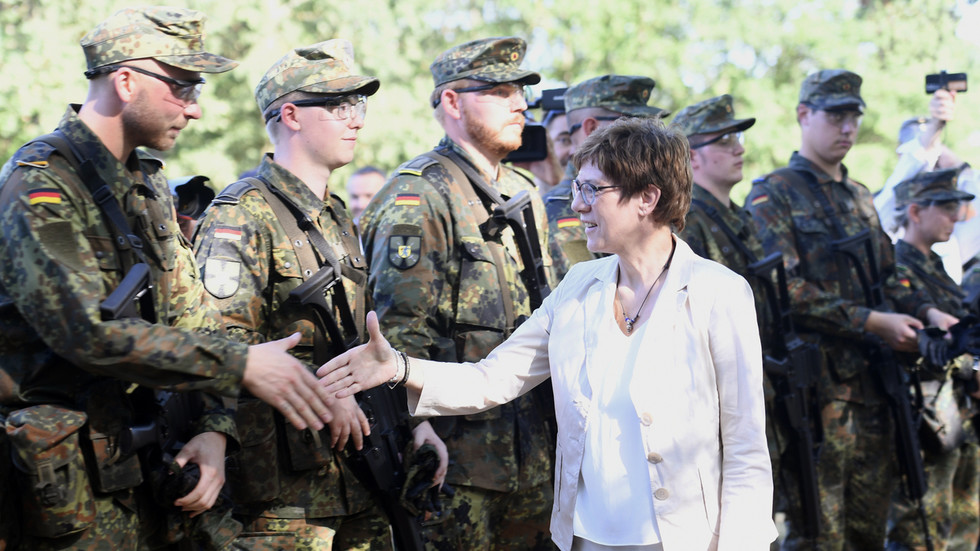
Germany has enacted new regulations requiring young people to obtain prior permission for residency abroad, as part of a military service reform law set to take effect in early 2026. This step comes as the German government seeks to enhance military service and ensure commitment from the youth.
The new rules include strict conditions regarding the residency of young people abroad, where they must submit a request for permission before leaving the country. This measure aims to ensure that young people do not miss military duties and to enhance discipline within the armed forces.
Details of the New Regulations
The newly approved law includes several provisions aimed at updating the military service system in Germany, in line with current security challenges. Among these provisions is the imposition of restrictions on young people's travel abroad, requiring them to obtain prior permission from the relevant authorities.
Reports indicate that these rules will affect all young people aged between 18 and 27, who are required to comply with military service. This measure comes at a time when Europe is witnessing increasing security tensions, necessitating the strengthening of member states' defense capabilities.
Background & Context
Historically, military service in Germany has been a controversial topic, having been abolished in 2011. However, recent geopolitical changes, including conflicts in Eastern Europe, have prompted the German government to reconsider this decision. Thus, the military service reform law was introduced in response to these challenges.
This law is part of a broader strategy to enhance national defense, as the government seeks to increase the number of recruits and modernize military equipment. This step was announced following a series of political and social discussions regarding the importance of strengthening Germany's defense capabilities in light of current global conditions.
Impact & Consequences
These new rules are expected to significantly impact German youth, as they will limit their freedom of movement and impose additional restrictions. This situation may provoke mixed reactions among young people, with some considering these restrictions as hindrances to their opportunities for learning or working abroad.
Moreover, this step may lead to increased discussions about military service within German society, raising concerns about youth rights and freedom of movement. It could also affect relations between Germany and other countries, especially those that host German youth for work or study.
Regional Significance
In a broader context, these rules may impact relations between Germany and Arab countries, particularly given the presence of large Arab communities in Germany. Arab youth living in Germany may feel anxious about these changes, especially if they plan to return to their home countries or travel for work or study purposes.
This move may also open the door for further discussions about military service in Arab countries, where some nations could benefit from Germany's experience in updating its military system. It is crucial for Arab countries to monitor these developments and consider how they may influence their military and recruitment policies.
In conclusion, the military service reform law in Germany represents an important step towards enhancing the country's defense capabilities, but it also raises questions about youth rights and freedom of movement. The German government will need to handle potential reactions from youth and society with caution.