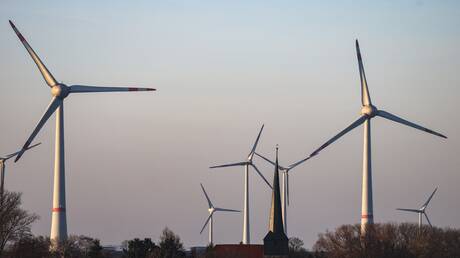
Reports indicate that renewable energy sources accounted for over half of Germany's electricity demand in the first quarter of 2023, reflecting significant progress in this sector. This achievement comes as Germany aims to meet its ambitious sustainable energy goals and reduce reliance on fossil fuels.
Germany is considered one of the leading countries in renewable energy, heavily investing in technologies such as solar and wind power. Data has shown that renewable energy sources, including wind and solar, constituted approximately 56% of the total electricity production in the country during the first three months of this year.
Event Details
While many countries face challenges in securing energy supplies, Germany has made remarkable progress in utilizing renewable energy. Wind energy contributed 30% of the electricity, while solar energy accounted for about 15%. These figures indicate that Germany is on the right path towards achieving its climate goals.
These developments are part of the ongoing efforts by the German government to transition to a more sustainable economy. The government has launched several initiatives to support research and development in the field of renewable energy, in addition to providing incentives for investors in this sector.
Background & Context
Over the past years, Germany has taken bold steps towards transitioning to clean energy. In 2011, the government decided to shut down all nuclear power plants by 2022, increasing reliance on renewable energy sources. This shift was a response to the environmental and economic crises the country faced, alongside its commitment to international climate agreements.
Renewable energy is a crucial part of Germany's strategy to achieve carbon neutrality by 2045. The government has set ambitious plans to increase the share of renewable energy in the national energy mix to 80% by 2030.
Impact & Consequences
These results are highly positive, not only for Germany but also for global efforts to combat climate change. Germany's success in achieving this level of reliance on renewable energy can serve as a model for other countries. Additionally, this progress may contribute to enhancing innovation in clean energy technologies, leading to the creation of new job opportunities in this sector.
However, this transition faces challenges, such as the need to improve the infrastructure of electrical grids and energy storage. Furthermore, changes in global policies may impact future investments in renewable energy.
Regional Significance
Germany's experience in relying on renewable energy is particularly significant for Arab countries, which possess vast natural resources in this field. Arab nations can benefit from Germany's experiences in developing their own sustainable energy strategies, especially in light of the environmental challenges facing the region.
Investing in renewable energy can also contribute to diversifying income sources and reducing dependence on oil and gas. This transition may open new avenues for cooperation between Arab countries and Germany in the fields of technology and sustainable energy.
In conclusion, Germany's success in relying on renewable energy reflects its commitment to achieving its climate goals and provides a model for other countries, including Arab nations, in their pursuit of a more sustainable future.