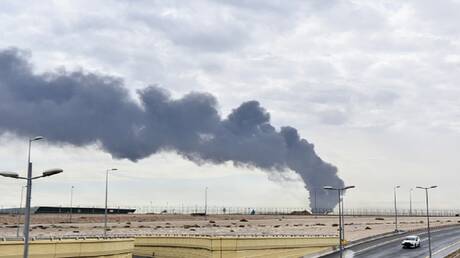
A Gulf-Russian-Jordanian ministerial meeting is being held today in the Jordanian capital, Amman, focusing on the escalating Iranian threats aimed at the Gulf Cooperation Council (GCC) countries and Jordan. This meeting occurs at a time when the region is witnessing a notable increase in tensions, necessitating the involved countries to take collective steps to address these challenges.
The meeting includes the foreign ministers of the three nations, and it is expected to cover a range of security and political issues affecting regional stability. This gathering is part of ongoing efforts to enhance cooperation between Arab countries and Russia, especially under current circumstances that require greater coordination to confront common threats.
Event Details
This meeting is considered part of a series of encounters aimed at fostering dialogue between Gulf nations and Russia, where participants seek to devise effective strategies to tackle security challenges. Preparations for this meeting have been made in light of the increasing Iranian attacks on certain Gulf states, which pose a threat to regional security.
The agenda of the meeting includes discussions on ways to enhance security cooperation, share intelligence, and explore methods to counter destabilizing Iranian activities. Economic issues that may be affected by security tensions are also expected to be addressed.
Background & Context
Historically, relations between Gulf countries and Iran have been marked by ongoing tensions, with Gulf nations accusing Iran of supporting armed groups in the region, exacerbating conflicts. In recent years, there has been a surge in Iranian attacks, prompting the concerned countries to seek collective solutions to confront these threats.
These meetings are part of the Gulf Cooperation Council's efforts to bolster regional security, as nations aim to build strategic alliances to face common challenges. Recent events have highlighted the importance of coordination between Arab countries and Russia, especially given the geopolitical changes occurring in the region.
Impact & Consequences
This meeting is expected to have a significant impact on the relations between Gulf countries and Russia, potentially leading to enhanced security and economic cooperation. The possible outcomes of the meeting could contribute to improving the security situation in the region, benefiting all parties involved.
If tangible agreements are reached during the meeting, it may lead to a reduction in regional tensions and an enhancement of stability. Furthermore, cooperation between Arab nations and Russia could open new avenues for collaboration in other areas, such as the economy and energy.
Regional Significance
This meeting represents an important step in the Arab efforts to address security challenges, reflecting the countries' desire to strengthen cooperation in confronting common threats. The potential outcomes of the meeting could also affect relations between Arab nations and Iran, potentially contributing to a form of stability in the region.
In conclusion, this meeting represents a significant opportunity for Gulf countries and Russia to collaborate in addressing security challenges. It also underscores the importance of dialogue and coordination among nations under current circumstances, which could contribute to enhancing security and stability in the region.