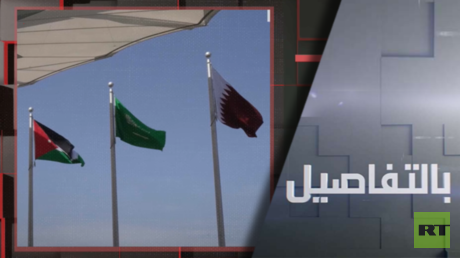
Gulf Arab states are issuing warnings to Iran, emphasizing the need to contain the escalating conflict in the region. These messages come at a critical time as military and political tensions in the Middle East increase, threatening regional stability and raising the risks of military escalation.
In light of these warnings, the Gulf Cooperation Council countries have stressed the importance of dialogue and understanding among the concerned parties, warning of the dire consequences that could arise from continued escalation. Foreign ministers in their recent meeting pointed out that military escalation could lead to catastrophic results, not only regionally but also internationally.
Details of the Situation
These warnings come at a time of growing concern over Iranian military activities in the region, including its support for armed militias in Iraq, Syria, and Yemen. Military reports have detected unusual movements of Iranian forces, raising fears among Gulf states of a potential armed conflict.
Some observers have noted that Iran may be seeking to expand its influence in the region, which contradicts the interests of Gulf states. Reports have confirmed that there are communications between some Gulf countries and Iran, where issues of regional security and ways to de-escalate tensions have been discussed.
Background & Context
Historically, relations between Iran and Gulf states have been marked by increasing tensions, especially following the Iranian Revolution in 1979. Regional events, such as the U.S. invasion of Iraq in 2003, have contributed to the increase of Iranian influence in the region, raising concerns among Gulf countries.
Moreover, ongoing conflicts in Syria and Yemen have complicated the landscape, as Iran supports armed groups in both countries. This situation has prompted Gulf states to strengthen their military and security alliances, including cooperation with the United States and other Western nations.
Impact & Consequences
If tensions continue to escalate, it could lead to serious repercussions for regional security. Military escalation may open the door to widespread conflicts, impacting the global economy, particularly in energy sectors.
Furthermore, the continuation of the conflict could result in a flow of refugees and an increase in humanitarian crises in the region, placing additional pressure on neighboring countries. These conditions may affect internal stability in Gulf states, potentially intensifying public protests and demands for reforms.
Regional Significance
The Gulf warnings to Iran are part of broader efforts to contain conflict in the region. Security in the Gulf directly affects the security of other Arab countries, making it essential for Arab nations to cooperate in facing common challenges.
Enhancing dialogue between Arab states and Iran could contribute to reducing tensions, opening avenues for cooperation in areas such as economics and security. Stability in the Gulf is key to the stability of the entire region, and all concerned parties must work towards achieving this goal.