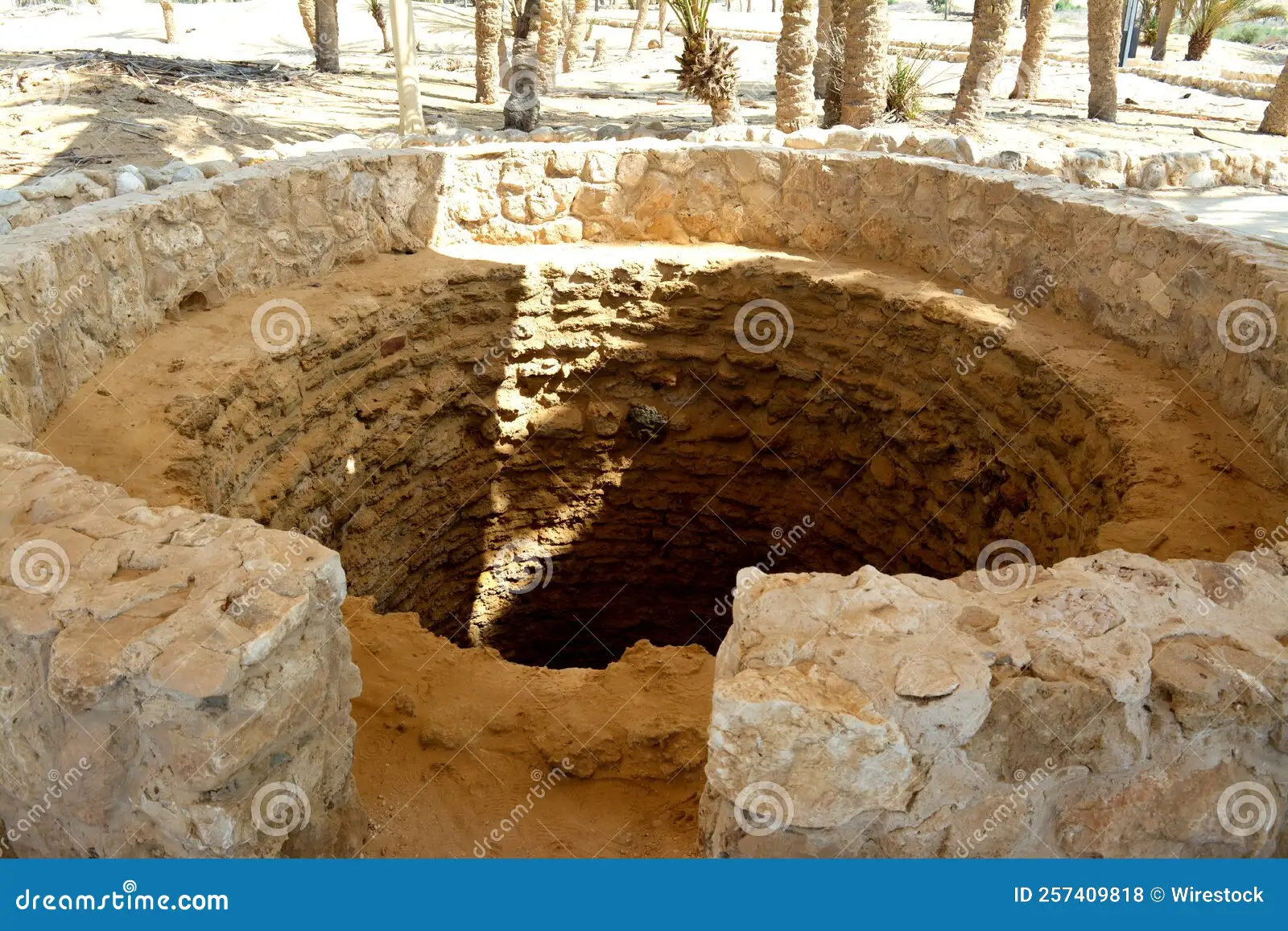
The Egyptian Ministry of Water Resources and Irrigation announced the harvest of approximately 500,000 cubic meters of water in the regions of Sinai and Matrouh, as part of the government's efforts to enhance water resource management and develop agriculture in these vital areas.
This step is part of a comprehensive strategy aimed at improving water use efficiency in agriculture, especially in areas suffering from water scarcity. The ministry seeks to maximize the benefits from available water, contributing to increased agricultural production and improving the living standards of farmers.
Details of the Event
The ministry reported that the water harvesting process was carried out using modern technologies that aid in collecting water from rain and floods, facilitating its storage and use in agriculture. This operation was implemented in several areas, reflecting the government's commitment to enhancing food security in the country.
The ministry also clarified that these efforts are part of a larger project aimed at improving water management in Egypt, especially given the challenges the country faces due to climate change and water scarcity. This project is considered part of Egypt's Vision 2030, which aims for sustainable development.
Background & Context
Historically, the regions of Sinai and Matrouh have suffered from a lack of water resources, negatively impacting agriculture and economic development. With increasing pressures on water resources due to population growth and climate changes, there is an urgent need to develop effective water management strategies.
In recent years, the Egyptian government has taken serious steps to improve water management, including the construction of dams and the development of modern irrigation systems. These efforts aim to enhance agricultural productivity and achieve food security.
Impact & Consequences
The harvesting of 500,000 cubic meters of water is expected to improve agricultural production in Sinai and Matrouh, enhancing farmers' ability to face economic challenges. This step may also contribute to reducing reliance on groundwater, preserving these resources for future generations.
Moreover, improving water management can contribute to enhancing social and economic stability in these regions, leading to an improved standard of living for local populations.
Regional Significance
Water management is a vital issue in the Arab region, where many countries suffer from acute water shortages. Egypt's success in harvesting and effectively using water can serve as a model for other countries facing similar challenges.
This success also highlights the importance of regional cooperation in water resource management, as Arab countries can exchange experiences and modern technologies to achieve sustainable development.
In conclusion, the harvesting of 500,000 cubic meters of water in Sinai and Matrouh represents an important step towards improving water resource management in Egypt, reflecting the government's commitment to achieving sustainable development and enhancing food security in the country.