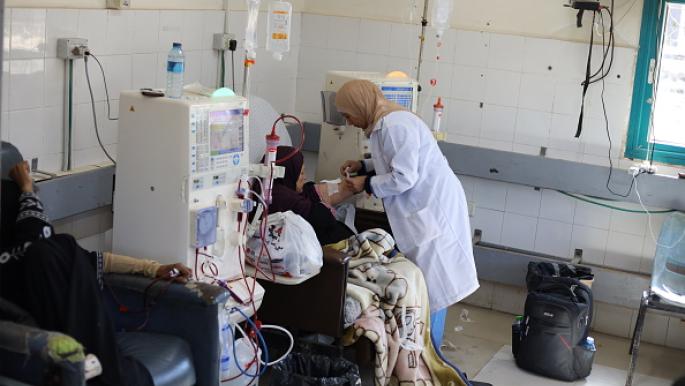
Hospitals in the Gaza Strip are experiencing a severe crisis in operating electric generators due to a critical shortage of industrial oils necessary for their operation. This situation threatens to reduce health services amidst dire humanitarian conditions.
The electricity crisis in Gaza is one of the chronic issues plaguing the region, where the health sector heavily relies on electric generators to provide the necessary power for medical devices. As the current crisis worsens, hospitals have begun to reduce the operating hours of these generators, increasing the suffering of patients and putting their lives at risk.
Details of the Situation
Local sources have reported that several hospitals in Gaza have already started to reduce the operation of their electric generators due to the shortage of industrial oils, which are essential for running these generators. This comes at a time when Gaza is suffering from a continuous blockade, exacerbating the humanitarian and economic conditions.
Concerns are growing that this shortage could lead to a complete power outage in hospitals, directly affecting the ability of doctors and nurses to provide necessary care to patients. Health sector officials have indicated that this crisis could result in the deaths of many patients who rely on medical devices that require continuous electricity.
Background & Context
The roots of the electricity crisis in Gaza stem from years of conflict and blockade, with the region suffering from a severe shortage of electrical power. The residents of Gaza depend on private electric generators to meet their daily needs, but the lack of fuel and oils necessary to operate these generators complicates the situation further.
In recent years, some humanitarian organizations have attempted to provide support to hospitals in Gaza, but these efforts have not been sufficient to address the escalating crisis. As the conflict continues, the challenges facing the health sector are increasing, putting patients' lives at constant risk.
Impact & Consequences
The repercussions of the electricity crisis in Gaza extend beyond the health sector, affecting all aspects of daily life for residents. With increasing power outages, residents face difficulties in obtaining clean water, raising the risk of disease outbreaks.
Moreover, the lack of electricity impacts education, as schools struggle to provide a suitable learning environment for students. This situation drives many families to seek alternative solutions, such as using private generators, which increases their financial burdens.
Regional Significance
The Gaza crisis serves as a living example of the humanitarian challenges faced by many regions in the Arab world. Calls are increasing from humanitarian organizations and the international community for urgent support for the residents of Gaza, given the difficult conditions they are living in.
The continuation of these crises in Gaza highlights the urgent need for lasting solutions to the Israeli-Palestinian conflict, which is one of the main causes behind the recurring humanitarian crises in the region. Improving the situation in Gaza requires joint efforts from all parties involved, including the international community.
In conclusion, the electricity crisis in Gaza remains a pressing humanitarian issue that requires urgent attention from the international community. Providing the necessary support to hospitals and residents is a crucial step towards improving living conditions in this afflicted region.