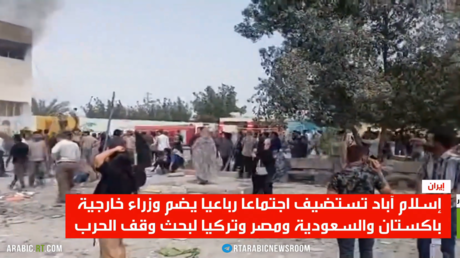
The Pakistani capital, Islamabad, is hosting a quadrilateral meeting that includes the foreign ministers of Egypt, Saudi Arabia, Turkey, and Pakistan. This meeting is part of intensive efforts to consult on possible mechanisms to stop the ongoing war in the Middle East. The gathering comes at a sensitive time when the region is witnessing escalating tensions and conflicts, necessitating urgent diplomatic moves.
The meeting aims to enhance cooperation among the four countries, as Egypt, Saudi Arabia, Turkey, and Pakistan represent key regional powers in the Islamic world. The ministers are expected to address pressing issues affecting security and stability in the region, including the humanitarian and political crises faced by some Arab countries.
Event Details
The quadrilateral meeting is being held as part of a diplomatic initiative aimed at achieving peace in the Middle East. It is anticipated that opinions will be exchanged on how to deal with the ongoing conflicts in Palestine, Syria, and Yemen. This meeting is also seen as an opportunity to coordinate positions among the four countries, which share historical, cultural, and religious ties.
The ministers are also scheduled to discuss ways to enhance economic and trade cooperation among the four nations, which could contribute to achieving regional stability. This meeting is part of broader efforts aimed at achieving peace in the region, which also includes initiatives from other international and regional organizations.
Background & Context
These meetings come at a time when the region is suffering from escalating armed conflicts, with many Arab countries continuing to face significant challenges related to security and stability. Recent years have seen a rise in armed conflicts, exacerbating humanitarian crises and increasing the number of displaced persons and refugees.
Historically, the four countries have played important roles in regional affairs, with Egypt and Saudi Arabia being among the most prominent supporters of the Palestinian cause, while Turkey and Pakistan have sought to enhance Islamic cooperation. The current meeting reflects the desire of these nations to work together to find effective solutions to ongoing conflicts.
Impact & Consequences
If the meeting yields positive results, it could bring about a shift in the political dynamics of the region. Cooperation among these countries could bolster efforts aimed at achieving peace, potentially contributing to improving humanitarian conditions in conflict-affected areas.
On the other hand, the four countries may face challenges in implementing any agreements that may be reached during the meeting, especially given the political and security complexities that the region is experiencing. Therefore, the success of this meeting depends on the ability of these nations to overcome differences and achieve effective compromises.
Regional Significance
This meeting represents an important opportunity for Arab countries to enhance cooperation among themselves, as it could contribute to building new alliances aimed at achieving stability in the region. The success of these initiatives may strengthen the position of Arab countries on the international stage and restore their leadership role in addressing regional issues.
In conclusion, the quadrilateral meeting in Islamabad is a significant step towards achieving peace and stability in the Middle East. Cooperation among these countries can contribute to providing effective solutions to ongoing conflicts, thereby enhancing the prospects for security and development in the region.