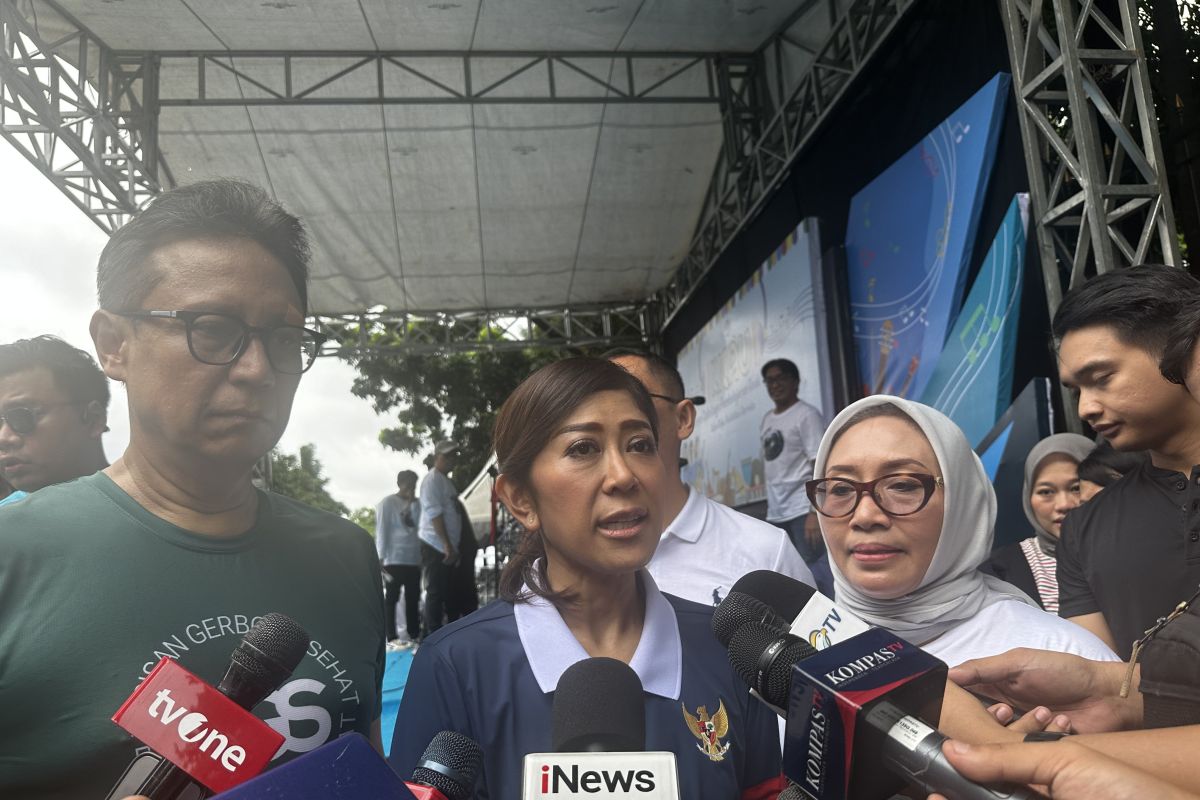
The Governor of Lampung, Rahmat Mirzani Djusal, has announced a new plan aimed at restricting access to social media for children under the age of 16, in an effort to improve their focus on studies. Djusal confirmed that this policy is a response to numerous reports prepared by teachers regarding the impact of social media on students' academic performance.
Speaking at a press conference in Bandar Lampung, Djusal pointed out that excessive use of social media, particularly electronic games, has negatively affected children's ability to concentrate on their studies. He expressed hope that these restrictions will enhance students' academic performance, helping them to compete better in the future.
Details of the Initiative
This step follows the Indonesian government's issuance of an official decree that stipulates restricting access to social media for children under 16, which will take effect on March 28, 2026. This decision is based on Minister of Communications and Digitalization Regulation No. 9 of 2026, which aims to protect children from risks associated with internet use.
Djusal also highlighted the importance of improving education quality through enhanced cooperation among parents, teachers, and the community as a whole, emphasizing that education is not limited to classroom hours but requires ongoing support from all stakeholders.
Background & Context
Indonesia is among the countries that have witnessed a significant increase in social media use among youth, leading to issues related to mental health and academic focus. Studies have shown that children who spend excessive time online struggle with concentration and attention, adversely affecting their academic achievement.
In recent years, the Indonesian government has taken several measures to enhance children's safety online, including enacting new laws aimed at regulating social media use and providing a safe environment for children. This decision is part of broader efforts to improve education quality in the country.
Impact & Consequences
This decision is expected to have a significant impact on children's behavior and learning methods. It will help reduce distractions from non-educational activities, allowing them the opportunity to focus on their studies and develop their academic skills. However, this decision may face challenges in implementation, as some parents or children may oppose these restrictions.
Furthermore, implementing this policy may require improvements in educational infrastructure, including providing alternative educational resources that encourage children to learn and engage positively. Therefore, the success of this initiative depends on cooperation between the government and the community.
Regional Significance
The issue of social media's impact on children is also a significant topic in many Arab countries, where youth face similar challenges related to academic focus and mental health. Indonesia's experience in implementing restrictions on social media may serve as a model for Arab countries seeking to improve education quality and protect children.
In light of rapid technological advancement, it is crucial for Arab nations to adopt effective strategies to address the impact of social media on youth, thereby fostering a healthy and safe educational environment.