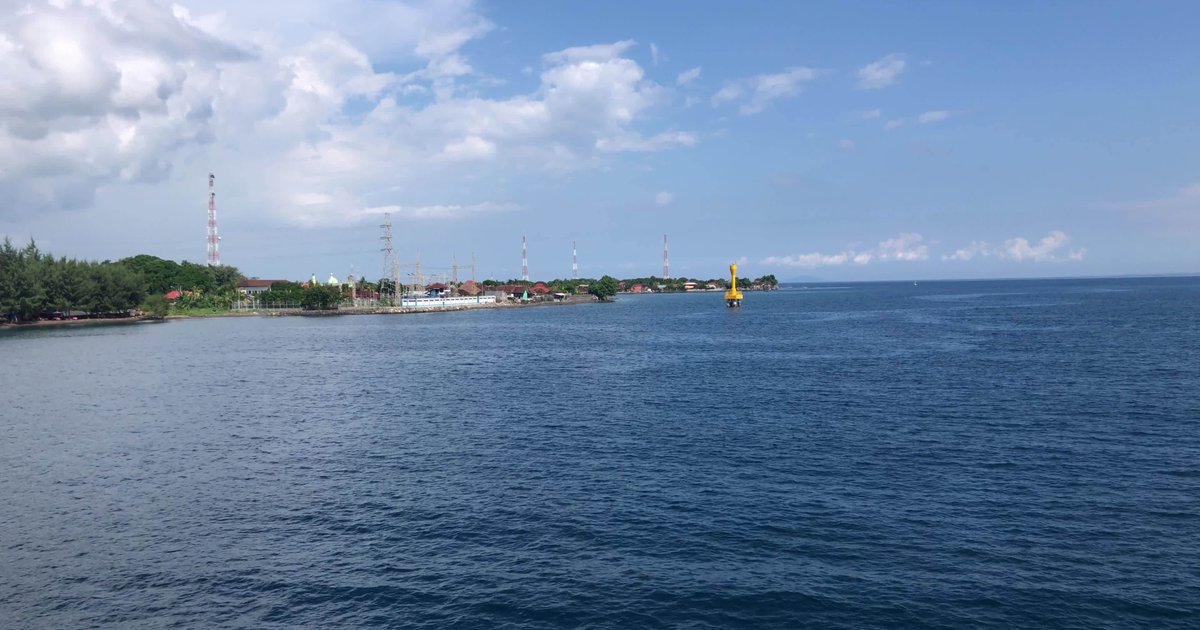
PT ASDP Indonesia Ferry (Persero) has reported that it is implementing a rapid response to the surge in traffic at the Ketapang (Banyuwangi)-Gilimanuk (Bali) crossing, where there has been a noticeable increase in the number of vehicles, especially logistics trucks. The company confirmed that it is adopting tactical steps and collaborating across various sectors to ensure smooth traffic flow.
In a statement, Wendy Andali, the company’s secretary, emphasized that PT ASDP is striving to provide an integrated approach to maintain smooth transit between Ketapang and Gilimanuk. She noted that the company understands the challenges faced by users and is working with all stakeholders to enhance necessary measures to reduce waiting times and restore services to normal.
Details of the Initiative
Wendy explained that the company has implemented a new system to organize shipping traffic at the ports, where docks 1, 2, and 3 have been designated for private vehicles, motorcycles, and buses, while dock 4 and LCM are allocated for logistics trucks. She confirmed that this system helps reduce congestion and makes the loading and unloading processes of ships more efficient and faster.
On his part, the General Manager of PT ASDP's Ketapang branch, Arif Iko, clarified that the operational improvements include enhancing the frequency of ship services and the readiness of supporting facilities. He assured that all docks and the maritime fleet are operating at full capacity, focusing on accelerating the loading and unloading processes to minimize waiting times.
Background & Context
The traffic at the Ketapang-Gilimanuk crossing is a significant issue in Indonesia, as it connects the islands of Java and Bali, making it a vital point for commercial and tourist transport. Historically, this area has faced many challenges related to traffic congestion, especially during peak seasons such as holidays and special events.
In recent years, the Indonesian government has increased its investments in developing transport infrastructure, including improving ports and maritime transport. However, there remains an urgent need to enhance traffic management to ensure that the congestion experienced in the past does not recur.
Impact & Consequences
The measures taken by PT ASDP are a positive step towards improving user experience and reducing waiting times. These steps are expected to contribute to boosting the local economy by facilitating the movement of goods, benefiting both traders and consumers alike.
Moreover, improving services in this area could lead to an increase in tourism traffic, as Bali is a popular tourist destination. If the company can effectively manage traffic, it will help enhance Indonesia's image as a preferred tourist destination.
Regional Significance
Although this news pertains to Indonesia, there are lessons that Arab countries can learn. Traffic management and improving logistics services are critical issues facing many Arab nations, especially those reliant on maritime transport.
Arab countries can benefit from Indonesia's experiences in enhancing traffic management and developing infrastructure, which would contribute to boosting trade and tourism in the region.