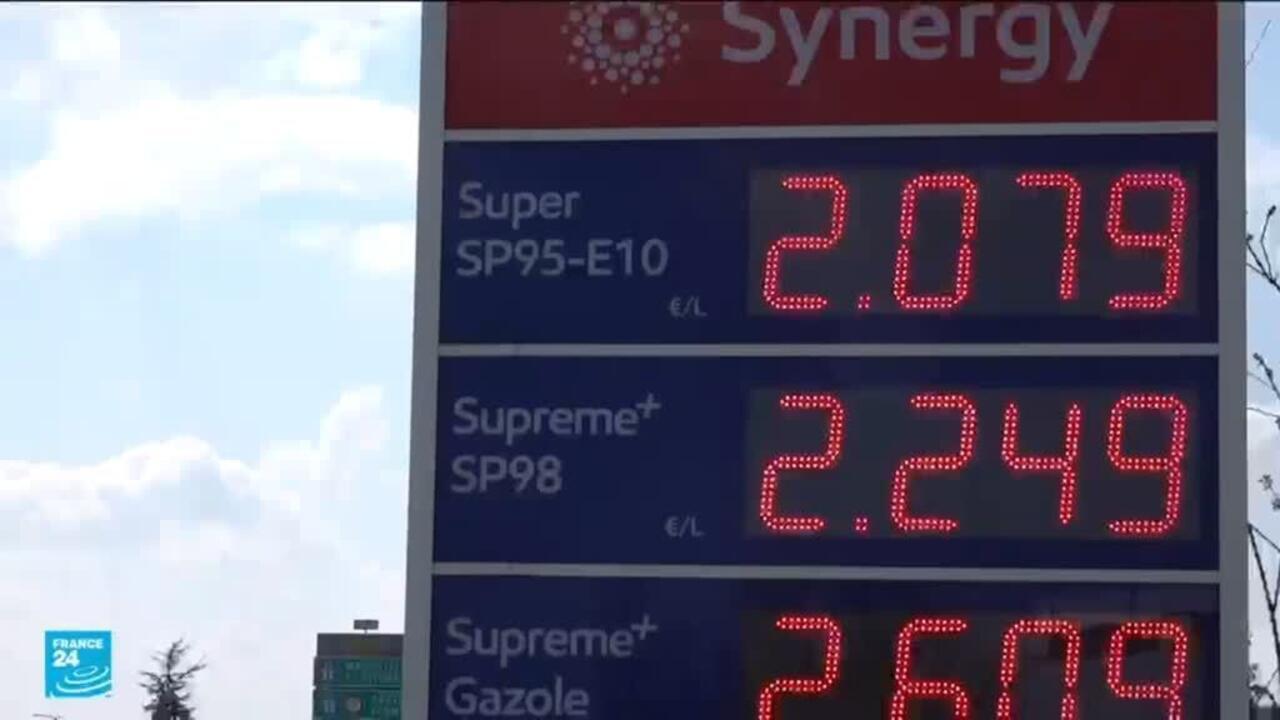
Amid the energy crisis stemming from the war in the Middle East, many drivers in France are increasingly relying on smart applications to monitor fuel prices and availability, reflecting significant changes in consumer behavior.
The economic pressures on citizens in France are mounting, as fuel prices have risen sharply due to global market fluctuations. With the energy crisis spreading, it has become essential for drivers to seek the best prices to reduce expenses. Smart applications have facilitated this task, providing accurate and up-to-date information about fuel prices at various gas stations.
Details of the Event
Studies have shown that the use of smart applications to track fuel prices has increased by as much as 40% in recent months. These applications do not only display prices but also provide information on fuel availability at stations, helping drivers better plan their trips. As the market faces significant challenges, these applications have become indispensable tools for drivers.
Reports indicate that some of the most popular applications, such as GasBuddy and FuelPlus, have seen a significant increase in user numbers, as they allow users to compare prices in real-time. Additionally, some of these applications offer discounts and special deals to users, enhancing their appeal.
Background & Context
The roots of the current energy crisis can be traced to several factors, including geopolitical conflicts in the Middle East, which have led to fluctuations in oil prices. Since the onset of the war in Ukraine, global markets have faced additional pressure, impacting energy supplies and fuel prices. In this context, smart applications have become an effective means to address these challenges.
Historically, France has heavily relied on traditional energy sources, but with increasing environmental awareness and pressure to transition to more sustainable energy sources, citizens have begun seeking innovative solutions to reduce fuel consumption. These applications represent a step towards balancing economic and environmental needs.
Impact & Consequences
The impacts of using smart applications extend beyond just saving money for drivers. As reliance on this technology increases, it could lead to changes in consumer behavior overall. These applications are expected to continue growing, potentially prompting fuel companies to improve their services and offer competitive prices.
Moreover, the use of smart applications could contribute to reducing traffic congestion, as drivers can choose less crowded stations. This trend may help improve air quality and reduce harmful emissions, reflecting a positive impact on the environment.
Regional Significance
The current energy crisis poses a significant challenge for many Arab countries, which heavily rely on oil exports. With rising fuel prices, these countries may face increasing economic pressures, necessitating the search for innovative solutions similar to those adopted in France.
Smart applications for tracking fuel prices could also be an effective tool in the Arab region, as they can help drivers cope with economic challenges and improve fuel efficiency. Additionally, promoting the use of technology in this field could contribute to achieving sustainable development goals.
In conclusion, the reliance of drivers in France on smart applications to track fuel prices marks a significant shift in consumer behavior. As the energy crisis continues, the importance of these applications is expected to grow in the near future.