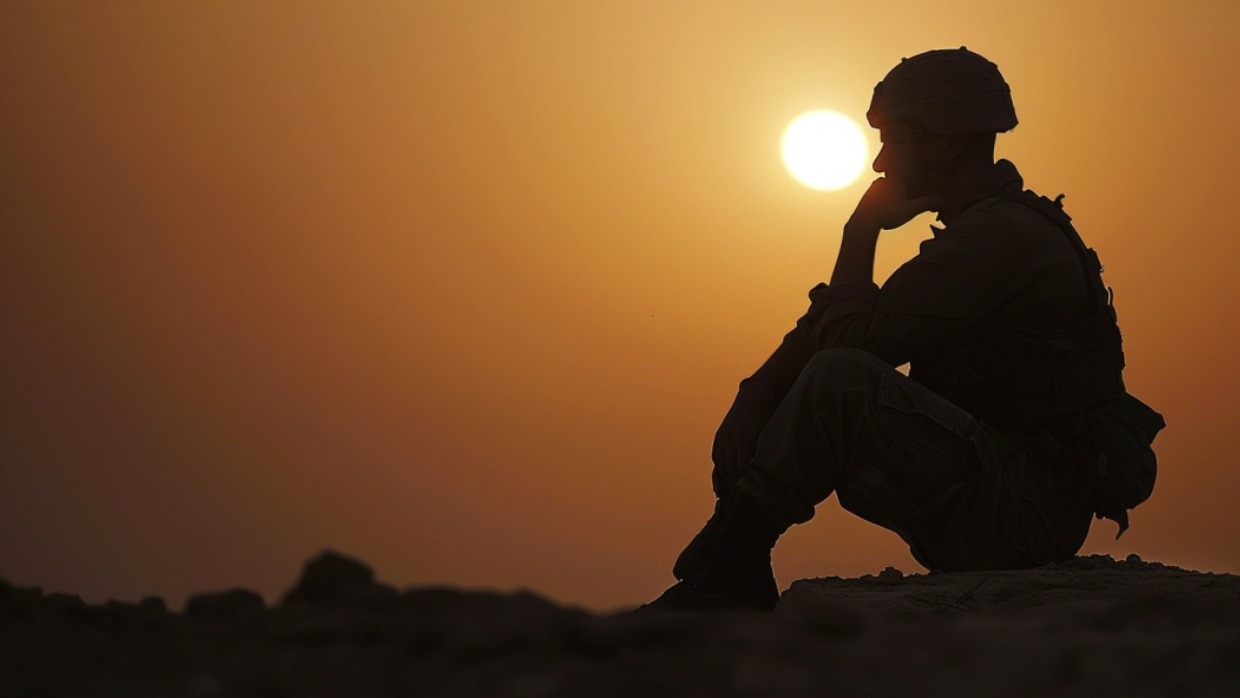
A new report reveals increasing pressures on Israeli reserve soldiers, with some threatened with arrest if they do not respond to calls for service, despite suffering from Post-Traumatic Stress Disorder (PTSD). These pressures come at a sensitive time when the Israeli army is experiencing an escalation in military operations, heightening concerns about the psychological well-being of soldiers.
Reports indicate that some soldiers suffering from PTSD have been summoned for military service, being informed that the army needs every individual, which has led to feelings of psychological pressure. In some cases, soldiers have been threatened with arrest if they do not comply with service orders, sparking widespread debate about soldiers' rights and duties.
Details of the Situation
Reports show that many reserve soldiers suffering from PTSD have been called to serve under difficult circumstances. Some of these soldiers reported receiving calls from the army demanding their return to service, even though they had been granted medical leave due to their psychological condition. This situation has raised significant concern among their families and friends, who fear for their mental and physical health.
In light of these circumstances, many are questioning how the Israeli army is handling soldiers who suffer from psychological issues. While military service is considered a sacred duty in Israeli society, the psychological pressures faced by soldiers may exacerbate their health conditions.
Background & Context
Historically, many Israeli soldiers have suffered from psychological disorders due to ongoing conflicts in the region. Studies have shown that a significant percentage of soldiers who participated in Israeli wars suffer from PTSD, raising questions about how to support them after their service ends. In recent years, some non-governmental organizations have begun working to provide psychological support to soldiers, but there remains a lack of awareness about this issue within the army.
The pressure on the Israeli army to provide necessary psychological support for soldiers is increasing, especially amid escalating conflicts in the region. However, there appear to be significant challenges in addressing this issue, as discussing mental health in Israeli society is considered a sensitive topic.
Impact & Consequences
The repercussions of these pressures extend beyond individuals, affecting Israeli society as a whole. With the increasing cases of PTSD among soldiers, this could lead to a rise in suicide rates and other psychological issues. This situation places additional strain on Israel's healthcare system, which is already suffering from resource shortages.
Moreover, mishandling soldiers suffering from PTSD could exacerbate psychological crises, impacting military performance and increasing risks in the field. Therefore, there is an urgent need to reassess how to support soldiers in these circumstances.
Regional Significance
This issue is significant not only for Israel but for the entire Arab region. The ongoing conflicts in the area exacerbate psychological crises among both soldiers and civilians. Thus, addressing these issues could contribute to greater stability in the region.
Additionally, the presence of soldiers suffering from PTSD could affect relations between Israel and Arab countries, as failure to address these issues appropriately may lead to heightened tensions. Therefore, dialogue about mental health and support for soldiers must be part of any efforts to achieve peace in the region.