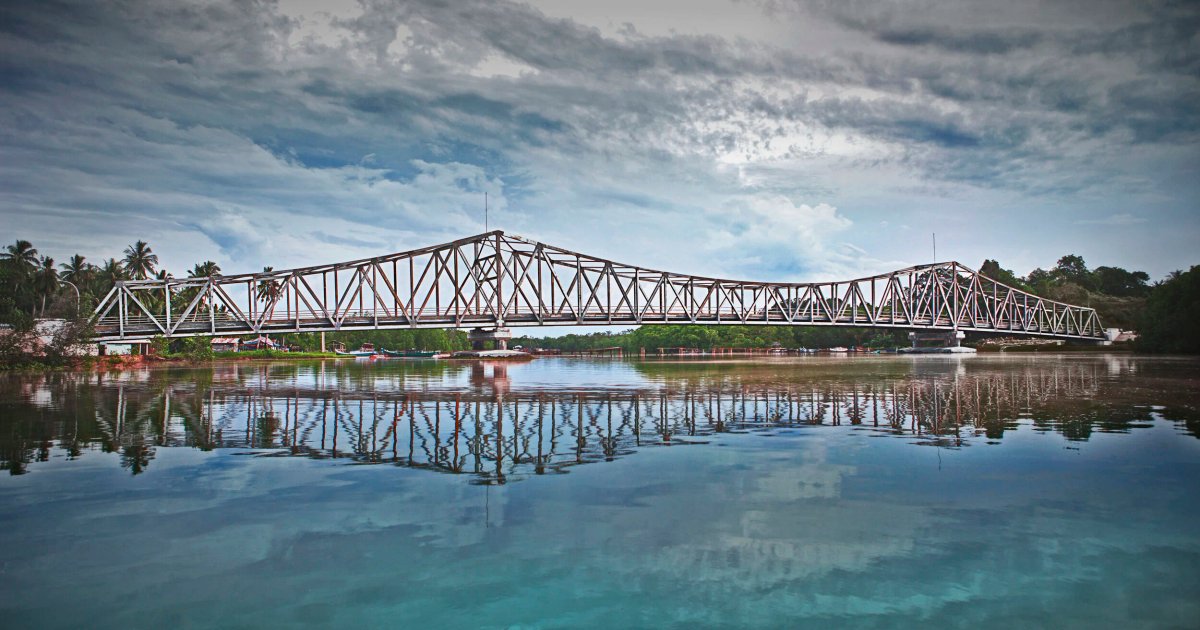
The Indonesian Secretary of the Cabinet, Tedi Indra Wijaya, announced that President Prabowo Subianto received a report on the completion of 280 bridges across various regions within a span of just three months. These bridges are designed to facilitate the movement of citizens, especially students, in crossing rivers and accessing remote areas.
This announcement came during President Prabowo's visit to Tokyo, where Tedi emphasized that these bridges have already been utilized by the local community, reflecting the government's commitment to improving infrastructure in Indonesia. The bridges have been constructed in multiple areas such as Padang Mantawung, Pariman, and West Sumatra, in addition to other regions in Central Java, North Sumatra, and Central Sulawesi.
Details of the Initiative
This initiative is part of the Indonesian government's efforts to enhance infrastructure, with these bridges being built in a remarkably short period of three months. President Prabowo highlighted the importance of these projects in easing the lives of citizens, particularly children who face difficulties in reaching their schools due to a lack of sufficient bridges.
The constructed bridges include various types such as suspension bridges, Bailey bridges, and Aramco bridges, which have been designed to meet the needs of local communities. This project was executed under the supervision of the Indonesian Army, with General Teni Maroli Simanjuntak appointed to lead the team responsible for the construction of these bridges.
Background & Context
Historically, Indonesia has faced significant challenges in infrastructure, particularly in remote areas that lack basic services. These challenges have led to difficulties in the movement of citizens and the provision of education and healthcare services. In recent years, the Indonesian government has begun to focus on improving this infrastructure as part of its developmental strategy.
These bridges are part of a larger plan aimed at promoting economic and social development in Indonesia. It is expected that these projects will help reduce the gap between urban and rural areas, thereby enhancing opportunities for sustainable development.
Impact & Consequences
This initiative is a positive sign of the Indonesian government's commitment to improving the lives of its citizens and enhancing infrastructure. These bridges are expected to improve access to education and healthcare services, contributing to a higher standard of living in remote areas.
Moreover, these projects may attract both foreign and local investments, as improved infrastructure is one of the key factors that encourage investment. Thus, these bridges are not merely construction projects; they represent a step towards achieving comprehensive development.
Regional Significance
Indonesia's experience in improving infrastructure serves as a model for many Arab countries facing similar challenges. Arab nations can benefit from this experience by adopting similar strategies to enhance infrastructure and promote sustainable development.
Given the economic and social challenges faced by many Arab countries, improving infrastructure can have a significantly positive impact on citizens' lives and contribute to achieving stability and development.