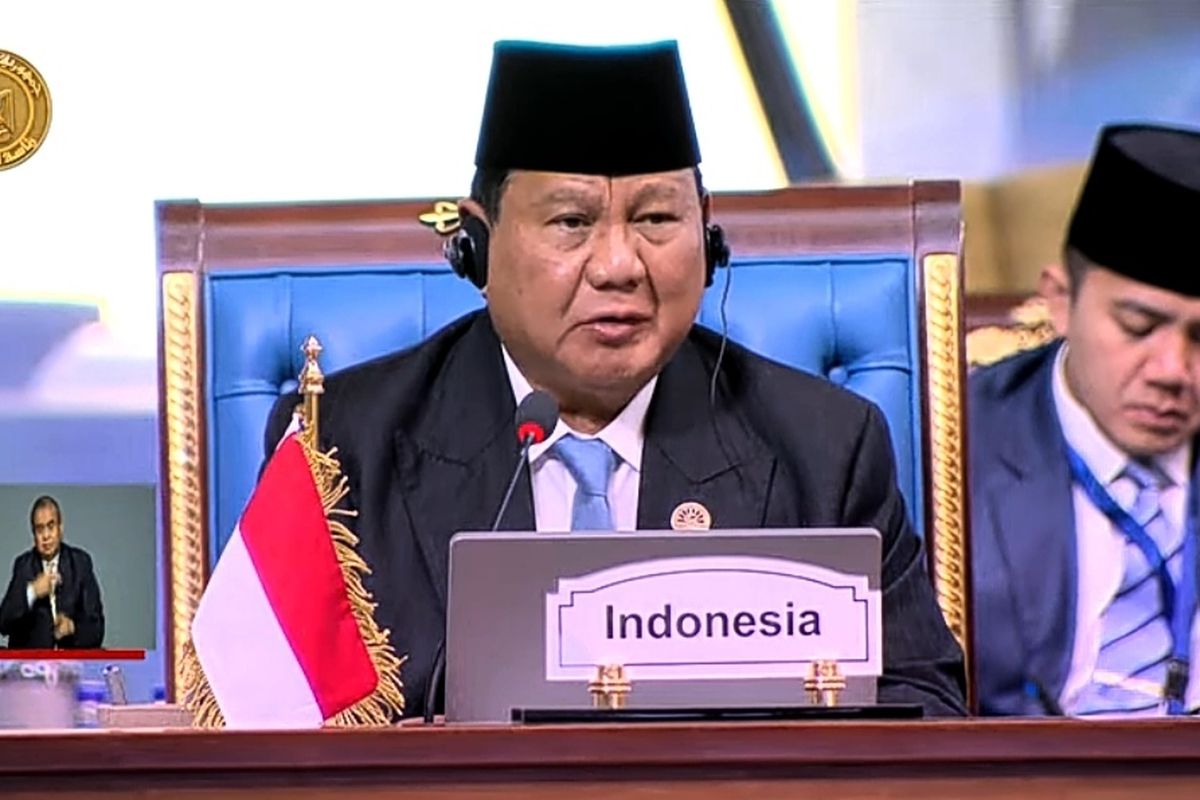
The Indonesian Ministry of Foreign Affairs has confirmed that its agenda for the presidency of the Developing-8 (D-8) will proceed, despite the postponement of the summit originally scheduled for mid-April 2026. This announcement was made by the ministry spokesperson, Fahd Nabil A. Malashila, during a press conference in Jakarta.
Nabil explained that Indonesia will continue to work on the five priorities it has set as part of its presidency of the group, noting that the postponement was due to the current global circumstances, particularly the ongoing conflicts in the Middle East.
Details of the Event
The D-8 group was established in 1997 and includes eight developing countries: Indonesia, Bangladesh, Egypt, Iran, Malaysia, Nigeria, Pakistan, and Turkey. Azerbaijan is expected to join as a new member in 2025. Indonesia will maintain its presidency of the group from 2026 to 2027, focusing on enhancing economic cooperation among member states.
The priorities set by Indonesia include boosting trade, developing the halal economy, promoting green and blue economies, improving connectivity and digital economy, as well as restructuring the group. Despite the postponement, all activities under Indonesia's presidency will continue but will be rescheduled.
Background & Context
These developments come at a sensitive time for developing economies, as many D-8 member countries face economic and political challenges. The group was established to enhance economic cooperation among member states and provide a platform for knowledge and experience sharing.
Over the years, the group has undergone significant changes in its structure and objectives, striving to adapt to increasing global challenges, including economic crises and climate change. Indonesia, being the largest economy in the group, plays a pivotal role in guiding policies and strategies.
Impact & Consequences
The postponement of the summit may affect cooperation plans among member states, as the summit was expected to contribute to strengthening trade relations and investment exchanges. However, Indonesia is determined to continue achieving the set goals, reflecting its commitment to enhancing regional cooperation.
This delay could lead to a reassessment of member states' strategies in addressing common challenges, especially in light of global economic crises. It is crucial for member countries to remain united in facing these challenges to achieve sustainable development.
Regional Significance
The D-8 group serves as an important platform for developing countries, including Egypt, which is one of the key members. Cooperation between Arab countries and D-8 nations can contribute to enhancing trade and investment, benefiting Arab economies.
In the context of global economic challenges, the D-8 can provide new opportunities for Arab countries to strengthen their economic partnerships, aiding in achieving sustainable development in the region.