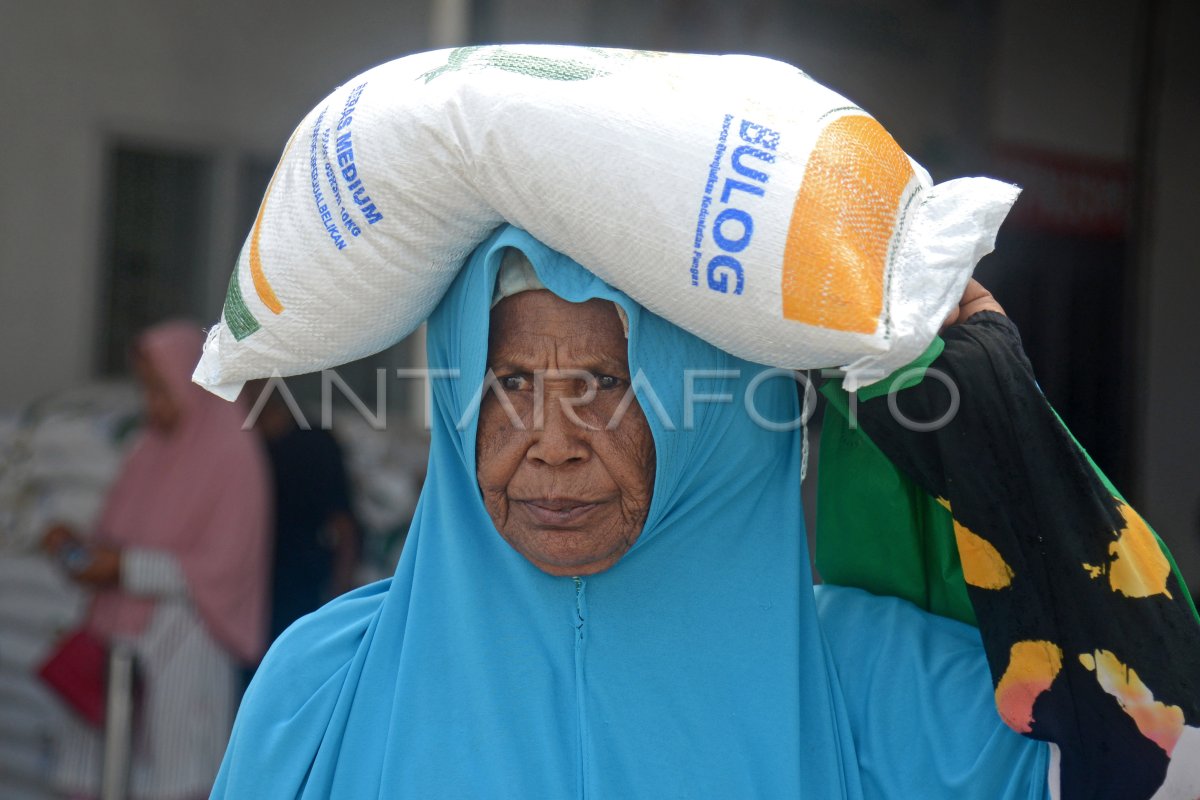
The Indonesian government has recently commenced a large-scale distribution of food aid, which includes 67 million kilograms of rice, across 25 regions throughout the country. This initiative is designed to assist needy families and alleviate the economic burdens they face under current circumstances.
This step comes at a critical time as many citizens are struggling with rising living costs, making access to sufficient food a significant challenge. The distribution process has been organized systematically to ensure that aid reaches beneficiaries promptly.
Details of the Distribution Event
The food aid distribution was carried out in collaboration with various government agencies and non-governmental organizations, where beneficiaries were prepared by providing necessary documentation such as family cards. Distribution centers witnessed a large turnout of citizens eagerly awaiting assistance.
Through this initiative, the Indonesian government aims to enhance food security and provide essential support to families affected by economic crises. The most needy areas were identified based on previous studies that pinpointed the most vulnerable groups.
Background & Context
Historically, Indonesia has faced numerous economic crises that have impacted citizens' living standards. With the outbreak of the COVID-19 pandemic, these crises have intensified, leading to an increased need for food assistance. This initiative is part of the government's strategy to mitigate the effects of economic and social crises.
As a densely populated nation, Indonesia faces significant challenges in providing food for all its citizens. Therefore, this aid comes as part of the government's ongoing efforts to ensure that no citizen suffers from hunger.
Impact & Consequences
This aid is seen as a positive step towards improving the economic and social conditions of needy families. It is expected that this initiative will help reduce poverty and hunger rates in the country, thereby enhancing community stability.
Moreover, this step may contribute to strengthening trust between the government and citizens, as people feel that the government is addressing their problems and working towards solutions. This could lead to improved relations between the government and civil society.
Regional Significance
Although Indonesia is far from the Arab region, economic and social crises are not unfamiliar to Arab countries either. Many Arab nations face similar challenges in providing food for their citizens, especially amidst conflicts and wars.
Indonesia's experience in distributing food aid could serve as a model for Arab countries grappling with crises. It is vital to exchange experiences and collaborate among nations in this field to ensure food security for all.
In conclusion, this Indonesian initiative highlights the importance of government support during difficult times and underscores the necessity of collective action to address economic and social challenges.