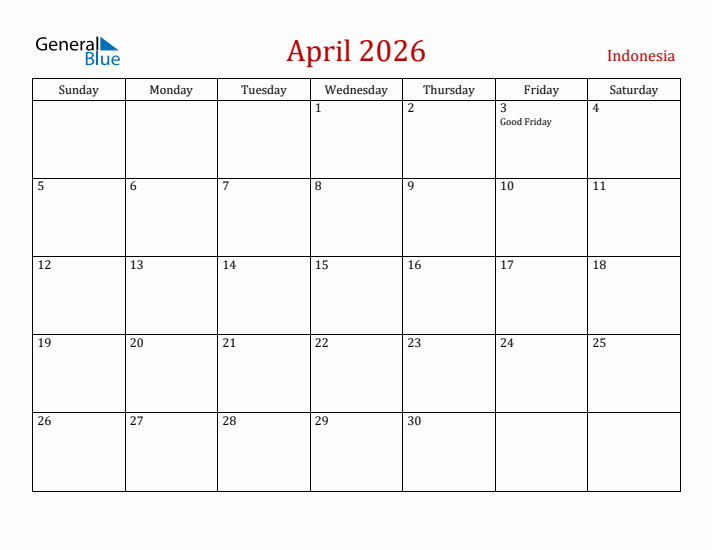
The Indonesian government has announced that it will begin distributing social assistance (Bansos) to low-income citizens in April 2026. This step is part of the government's efforts to alleviate the economic burdens faced by citizens, as well as to enhance opportunities for access to education.
This assistance targets the most needy segments of society, as the government seeks to improve living standards and provide necessary support to families experiencing economic difficulties. The financial aid is expected to include educational support, as well as the provision of basic health services.
Details of the Initiative
This initiative is considered part of the Indonesian government's plan to strengthen the social safety net, which aims to improve the living conditions of citizens. The targeted groups have been identified based on income criteria and basic needs, ensuring that assistance reaches those who are most in need.
The distribution process will be implemented in collaboration with non-governmental organizations and local communities to ensure that support reaches all beneficiaries effectively. The government will also provide clear information on how to apply for this assistance.
Background & Context
Historically, Indonesia has faced numerous economic challenges, particularly in light of global financial crises. These crises have led to increased poverty and unemployment rates, prompting the government to seek effective social support programs. In recent years, the government has launched several initiatives to improve living standards, but the need for further support remains.
Social assistance is a fundamental part of Indonesian government policies, as it aims to achieve sustainable development and reduce social gaps. Studies have shown that providing financial support to poor families can significantly contribute to improving education and health levels.
Impact & Consequences
These assistance measures are expected to have a positive impact on Indonesian society, helping to alleviate economic pressures on families. Additionally, enhancing access to education will contribute to building a new generation capable of facing future challenges.
This step also serves as a strong message from the Indonesian government regarding its commitment to improving the living conditions of its citizens, which may enhance public trust in the government and increase popular support for government policies.
Regional Significance
Indonesia's experience in providing social assistance serves as a model that Arab countries facing similar challenges can benefit from. Many Arab nations are grappling with high poverty and unemployment rates, necessitating the implementation of effective support programs.
Arab countries can draw inspiration from this experience to develop social policies aimed at improving living standards and enhancing education, contributing to sustainable development in the region.
In conclusion, the Indonesian government's announcement of social assistance distribution is a significant step towards improving citizens' living conditions and reflects the government's commitment to addressing economic and social challenges. This initiative opens the door for further discussion on the importance of social support in achieving sustainable development.