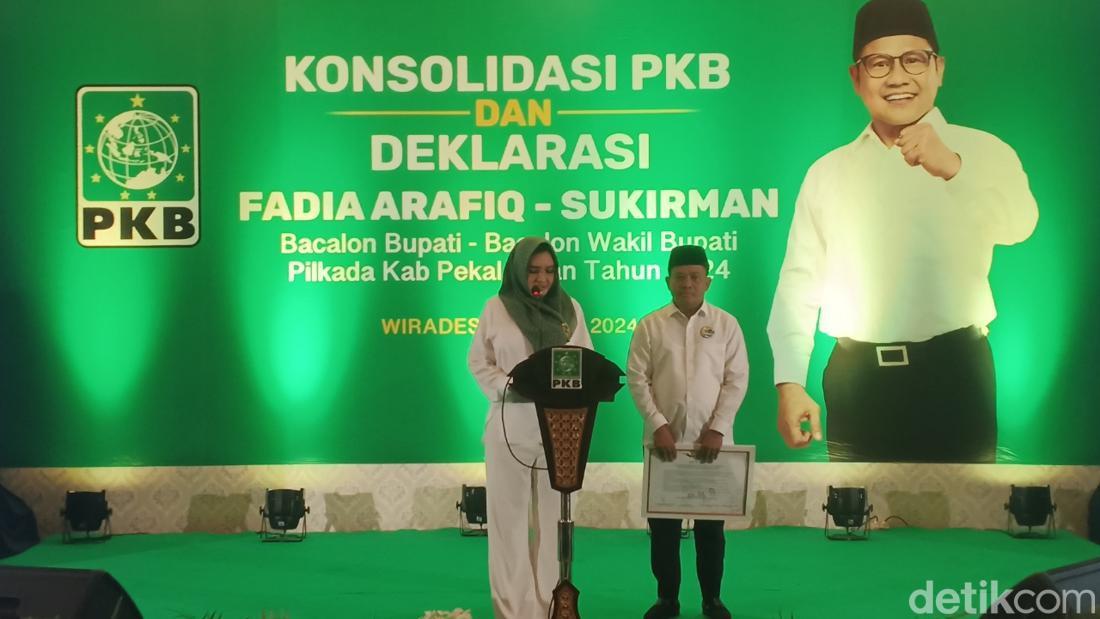
The Indonesian Corruption Eradication Commission (KPK) has commenced summoning witnesses in the investigations concerning a corruption case involving the inactive Bekalongan Mayor, Fadia Arfiq. Several witnesses are scheduled to be interrogated today, marking a significant step in KPK's efforts to combat corruption within local government.
KPK spokesperson, Budi Prastio, reported that the summoned witnesses include seven government employees from the Bekalongan municipality, among them the head of the public procurement unit. These actions follow the arrest of Fadia Arfiq on March 3, 2026, where she was apprehended along with her aides in the city of Semarang.
Details of the Arrest
In a widespread arrest operation, KPK managed to detain 11 other individuals from Bekalongan, reflecting ongoing efforts to tackle corruption in Indonesia. Fadia Arfiq was announced as the primary suspect in a case related to corruption in public procurement processes, which includes external recruitment services.
On March 4, Fadia Arfiq was identified as the main accused in the case, allegedly involved in a conflict of interest by awarding contracts to a company owned by her family, resulting in the misuse of public funds. Reports indicate that Fadia and her family received approximately 19 billion rupiah from these contracts, with the funds distributed among family members and close associates.
Background & Context
The case of Fadia Arfiq is part of a series of investigations conducted by KPK in Indonesia, where the country faces significant challenges in combating corruption. Corruption within local government remains an ongoing issue that affects economic and social development in the nation.
Historically, Indonesia has witnessed numerous corruption scandals, leading to a loss of trust in government institutions. KPK aims to enhance transparency and accountability through rigorous investigations, reflecting the government's commitment to fighting corruption.
Impact & Consequences
This case could have significant repercussions for the local government in Bekalongan, potentially impacting the reputation of government officials and increasing pressure on the central government. Furthermore, these investigations may lead to changes in policies related to public procurement and strengthen oversight on government contracts.
Additionally, this case might raise public awareness regarding corruption issues, thereby enhancing civil society's support for anti-corruption efforts and motivating citizens to demand greater transparency.
Regional Significance
This corruption case exemplifies the challenges faced by governments worldwide, including those in Arab nations. Corruption is a prevalent issue that impacts development and stability in many Arab countries, necessitating the enhancement of transparency and accountability.
Arab nations could benefit from Indonesia's experience in combating corruption by fostering cooperation between governments and civil society and implementing effective anti-corruption policies.