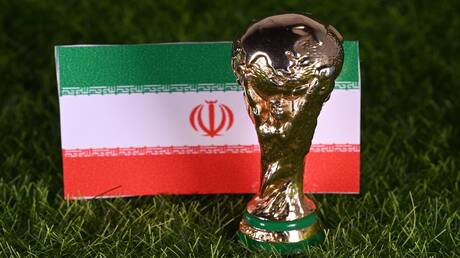
The Iranian Ministry of Sports and Youth announced an official decision today prohibiting all national sports teams and delegations from traveling to countries classified as 'hostile' by Tehran. This decision comes as part of Iran's foreign policy aimed at reducing interaction with nations it considers adversarial.
This decision reflects the ongoing political tensions between Iran and the United States, as Tehran believes that any sports communication with hostile countries could negatively affect its national sovereignty. The timing of this decision is critical, as international relations are experiencing heightened tensions, complicating the Iranian sports landscape.
Details of the Decision
The decision issued by the Iranian Ministry of Sports and Youth encompasses all sports teams, including national teams in various disciplines. This decision reflects the Iranian government's direction towards enhancing national identity and reducing reliance on foreign relations, especially with countries deemed hostile.
This decision is expected to impact the preparedness of Iranian teams for international competitions, as they had previously secured opportunities to participate in sports tournaments in the United States and other countries. However, the Iranian government hopes that this decision will contribute to fostering national spirit among athletes and citizens.
Background & Context
Historically, Iranian-American relations have seen increasing tensions since the Islamic Revolution in 1979. These tensions have led to economic and political sanctions against Iran, affecting all aspects of life, including sports. Previous attempts to improve relations have often been hindered by political events.
In recent years, there have been calls from some Iranian athletes to participate in international tournaments, but the government has been cautious in responding to these calls, considering that any communication with hostile nations could weaken Iran's position on the international stage.
Impact & Consequences
This decision is expected to have a significant impact on Iranian sports, potentially reducing opportunities for Iranian athletes in international competitions. Additionally, this decision may affect Iran's reputation in the global sports community, as it may be perceived as a country that is not open to sports cooperation.
Furthermore, this decision could lead to increased tensions between Iran and other countries, potentially affecting diplomatic relations. At the same time, it may contribute to enhancing national unity within Iran, as this decision can be viewed as a step to protect national identity.
Regional Significance
This decision comes at a sensitive time for the Arab region, where many Arab countries have tense relations with Iran. This decision may increase divisions in the region, as Iran could be seen as a country seeking to bolster its regional position by reducing interaction with Western nations.
Conversely, some Arab countries may exploit this situation to strengthen their relations with Western nations, which could escalate tensions in the region. Additionally, this decision may affect sports cooperation between Arab countries and Iran, as future collaboration opportunities may be impacted.
In conclusion, the Iranian Ministry of Sports and Youth's decision to ban sports teams from traveling to hostile countries reflects the existing political tensions and indicates a shift in Iranian sports policy. Under these circumstances, the question remains about how this decision will affect the future of sports in Iran and its regional and international relations.