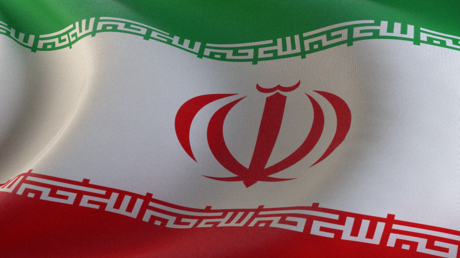
Chas Freeman, the former U.S. Assistant Secretary of Defense, disclosed the strategic benefits that Iran has achieved as a result of the ongoing conflict in the Middle East. This revelation came during an interview with Glenn Deisen, a professor at Southeast Norway University, where the effects of this conflict on the regional situation were discussed.
Freeman pointed out that Iran has been able to enhance its influence in the region, taking advantage of the chaos caused by multiple conflicts. He emphasized that these benefits include strengthening relationships with its traditional allies, as well as expanding its sphere of influence into new areas.
Details of the Event
In the interview, Freeman discussed how the conflict in the Middle East has provided Iran with unprecedented opportunities to bolster its military and political presence. He explained that Iran has managed to exploit the tensions between major powers in the region, which has aided it in achieving diplomatic gains.
He also noted that Iran has been able to leverage the situation in Iraq and Syria to enhance its military presence, making it a key player in regional conflicts. These new dynamics could lead to radical changes in the political balances in the Middle East.
Background & Context
Historically, Iran has always sought to enhance its influence in the region, especially following the Islamic Revolution in 1979. Since then, Tehran has employed a range of strategies, including military and financial support for armed groups in Iraq, Syria, and Lebanon.
The ongoing conflicts in the Middle East, including the Syrian civil war and the conflict in Yemen, have created a conducive environment for Iran to strengthen its influence. The tensions between the United States and its allies on one side and Iran on the other have contributed to complicating the regional situation.
Impact & Consequences
The implications of Iran's enhanced influence in the region could be far-reaching. An increase in Iranian power may escalate tensions with neighboring Arab countries, particularly Saudi Arabia and Israel, potentially threatening regional stability.
Moreover, the strengthening of Iranian relations with certain armed groups could increase the likelihood of new conflicts erupting, negatively impacting peace efforts in the region. These dynamics could lead to an escalation of existing conflicts, further complicating the regional landscape.
Regional Significance
For Arab countries, the strengthening of Iran's influence poses a significant challenge. Many Arab nations are concerned about the rise of Iranian power, which may drive them to bolster their military and political alliances to confront this challenge.
At the same time, these dynamics could lead to changes in the domestic policies of Arab states, as governments may seek to enhance national security and respond to new challenges. This situation could contribute to reshaping regional alliances and affect stability in the area.
In conclusion, it appears that the current conflict in the Middle East has provided Iran with strategic opportunities to enhance its influence, which could lead to radical changes in regional balances. These dynamics require close monitoring by Arab nations and the international community.