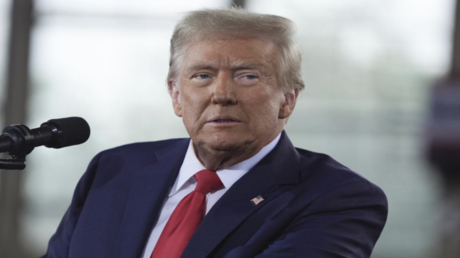
US President Donald Trump revealed that Iran executed a wide-ranging attack on a US aircraft carrier, indicating that the assault originated from 17 different directions. This announcement comes amid escalating tensions between the United States and Iran, raising concerns about regional stability.
Fears of a potential military escalation in the Gulf region are growing, as US aircraft carriers are among the primary military tools used by Washington to ensure its military presence in the area. If confirmed, the Iranian attack could represent a significant shift in Tehran's military strategy and reflects the challenges the United States faces in maintaining the security of its forces in international waters.
Details of the Incident
In remarks to reporters, Trump confirmed that the Iranian attack was well-coordinated, suggesting a high level of planning and execution. Trump did not provide specific details about the type of attack or the damage inflicted on the vessel, but he indicated that this assault reflects Iran's intent to challenge US presence in the region.
These statements come after a series of tense events between the United States and Iran, including attacks on oil tankers in the Gulf, which Washington has accused Tehran of orchestrating. Additionally, ongoing tensions surround Iran's nuclear program, which the West views as a threat to regional and international security.
Background & Context
Historically, relations between the United States and Iran have been strained since the Islamic Revolution in 1979. Since then, the region has witnessed numerous military and political crises, including wars in Iraq and Syria, in which Iran has been involved. In recent years, tensions have significantly increased following the US withdrawal from the Iranian nuclear deal in 2018, leading to severe economic sanctions on Tehran.
Iran seeks to bolster its military capabilities in response to US pressures and has repeatedly demonstrated its readiness to respond to any threats it faces. The attack on the US aircraft carrier may be part of a larger strategy aimed at sending a strong message to Washington and its allies in the region.
Impact & Consequences
If the information regarding the attack is confirmed, it could lead to military escalation in the region, with the United States possibly taking retaliatory actions against Iran. Such escalation could significantly impact oil prices and global financial markets, as the Gulf region is considered one of the most important maritime corridors in the world.
Moreover, this situation could increase tensions between Iran and its allies in the region, such as Hezbollah in Lebanon and Shiite militias in Iraq. These dynamics could lead to greater escalation in regional conflicts, threatening security and stability in the Middle East.
Regional Significance
Arab Gulf states, such as Saudi Arabia and the UAE, are among the most affected by the tensions between the United States and Iran. Any military escalation could increase security risks in the region, negatively impacting the economy and investment.
There are also concerns that these tensions could lead to new conflicts in the region, potentially hindering peace and stability efforts. Arab countries need to take urgent steps to address these challenges and enhance security cooperation among themselves.
In conclusion, the situation in the region remains tense and requires close monitoring by the international community. US and Iranian statements will determine the course of events in the coming days and weeks, necessitating that all parties exercise wisdom and restraint.