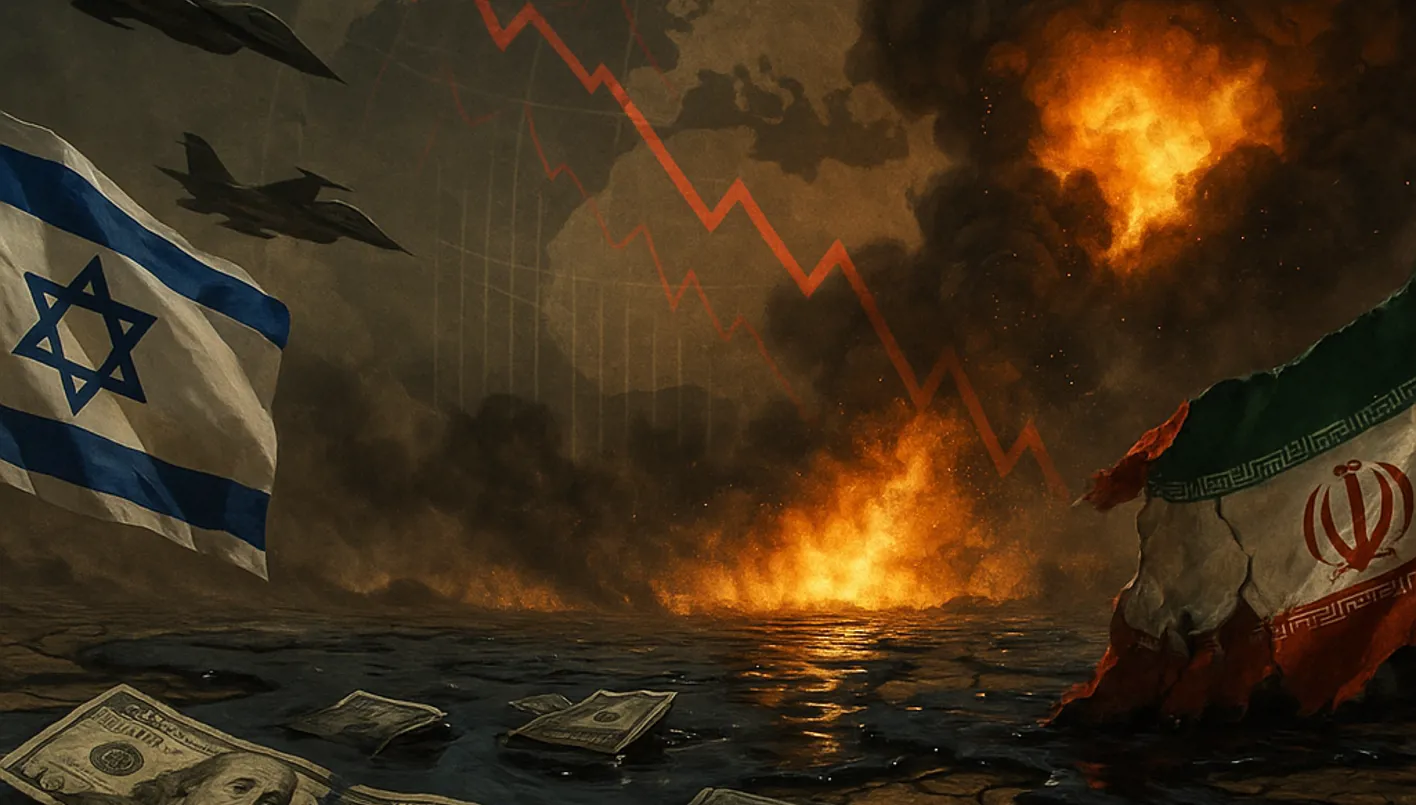
The ongoing war in Iran continues to negatively impact the global economy, leading to rising prices in many countries, including Germany. Concerns are growing about the war's effects on poorer nations, prompting questions about the actions politicians should take.
Reports indicate that the ongoing conflict in Iran, which began several months ago, has exacerbated economic crises in many countries. Poor nations are suffering the consequences of this war more severely, increasing their economic hardships and affecting the living standards of their citizens.
Details of the Event
Economic crises around the world are escalating due to the ongoing conflict in Iran, with food and energy prices rising significantly. In Germany, for example, markets have experienced price increases, affecting citizens' purchasing power. Data has shown that inflation in the country has risen markedly, raising concerns for both the government and citizens alike.
Attention is now turning to politicians in various countries, who are expected to take effective measures to address these challenges. As calls for government intervention grow louder, the question remains: what can politicians do to confront this escalating crisis?
Background & Context
Historically, Iran has been a center for numerous regional and international conflicts, with wars and disputes leading to negative impacts on the global economy. Since the outbreak of the Islamic Revolution in 1979, Iran has witnessed many political and economic crises, affecting the stability of the entire region.
In recent years, conditions in Iran have worsened due to economic sanctions imposed on it, leading to a decline in its economic situation. With the current conflict continuing, it appears that these conditions will persist in affecting the global economy, heightening concerns about the future of global markets.
Impact & Consequences
Forecasts indicate that the continuation of the war in Iran will exacerbate economic crises in many countries, particularly those that rely on imports from Iran. Oil and gas prices are expected to rise, which will directly impact transportation and production costs across various sectors.
Poor nations will face even greater challenges in coping with these crises, as their ability to import essential goods will be affected. This could lead to increased rates of poverty and hunger in these countries, placing additional pressure on governments and communities.
Regional Significance
Arab countries are significantly affected by the repercussions of the war in Iran, as many of these nations rely on imports from Iran. Rising prices are expected to worsen economic conditions in the region, increasing the challenges faced by Arab governments.
Moreover, the economic crises resulting from the war may lead to heightened social and political tensions in the region, threatening stability in many countries. Under these circumstances, it becomes essential for Arab governments to take effective steps to address these challenges.
In conclusion, the repercussions of the Iran war on the global economy are continuously escalating, necessitating a swift and effective response from politicians worldwide. The negative impact of this war transcends borders, calling for international cooperation to address the growing economic crises.