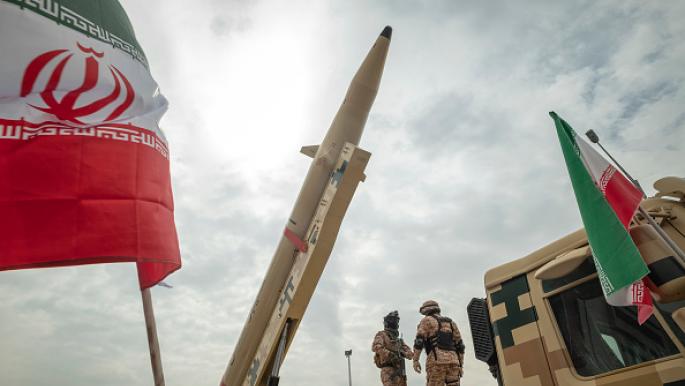
The Iranian Revolutionary Guard has announced a long-term plan aimed at depleting Israel's capabilities, in collaboration with Iran's allies in what is known as the 'Axis of Resistance.' These statements come at a time when tensions in the region are escalating, prompting questions about the strategic dimensions of this move.
The Revolutionary Guard, which is considered the military arm of the Iranian regime, confirmed that this strategy aims to reduce Israeli influence and strengthen the position of Iran's allies in the region. It also noted that this step is a response to what it described as 'ongoing threats' from Israel.
Details of the Strategy
The Revolutionary Guard clarified in its statement that this strategy includes a range of military and political measures aimed at undermining Israel's ability to carry out operations in the region. This includes enhancing cooperation with armed factions in Lebanon and Palestine, as well as supporting military activities in Syria.
Furthermore, the Revolutionary Guard emphasized that these steps are not merely reactions to current crises but are part of a comprehensive plan aimed at achieving strategic balance in the region. It indicated that this strategy will continue over the long term, reflecting Iran's commitment to supporting its allies in the face of Israeli threats.
Background & Context
Historically, relations between Iran and Israel have been tense, with Iran considering Israel a major adversary in its foreign policy. Recent years have seen an escalation in tensions, particularly following the United States' withdrawal from the Iranian nuclear deal in 2018.
Recent events, such as military escalations in Gaza and Lebanon, have further intensified these tensions. The Iranian Revolutionary Guard believes that enhancing its military capabilities in the region is essential to counter the threats posed by Israel.
Impact & Consequences
Many analyses predict that this strategy will lead to heightened tensions in the region, which could negatively impact regional security. Additionally, the strengthening of cooperation between Iran and its allies may result in increased military activities, raising the likelihood of direct conflict.
Moreover, this move could affect Iran's relations with other countries in the region, including Arab states that are concerned about Iran's growing influence. These developments may provoke reactions from major powers, which might seek to contain the escalation in the region.
Regional Significance
These developments are particularly significant for Arab countries, as they could lead to changes in regional alliances. With Iran's increasing influence, some Arab states may feel the need to bolster their military and security cooperation to address potential threats.
This strategy may also impact peace efforts in the region, complicating opportunities for achieving peaceful solutions to ongoing conflicts. Therefore, the situation in the region requires close monitoring by Arab and international decision-makers.
In conclusion, it appears that the Iranian Revolutionary Guard is seeking to strengthen its position in the region by depleting Israel's capabilities, opening the door to further tensions and conflicts in the future. It will be important to follow the developments of this strategy and its impact on regional and international security.